SAN PABLO
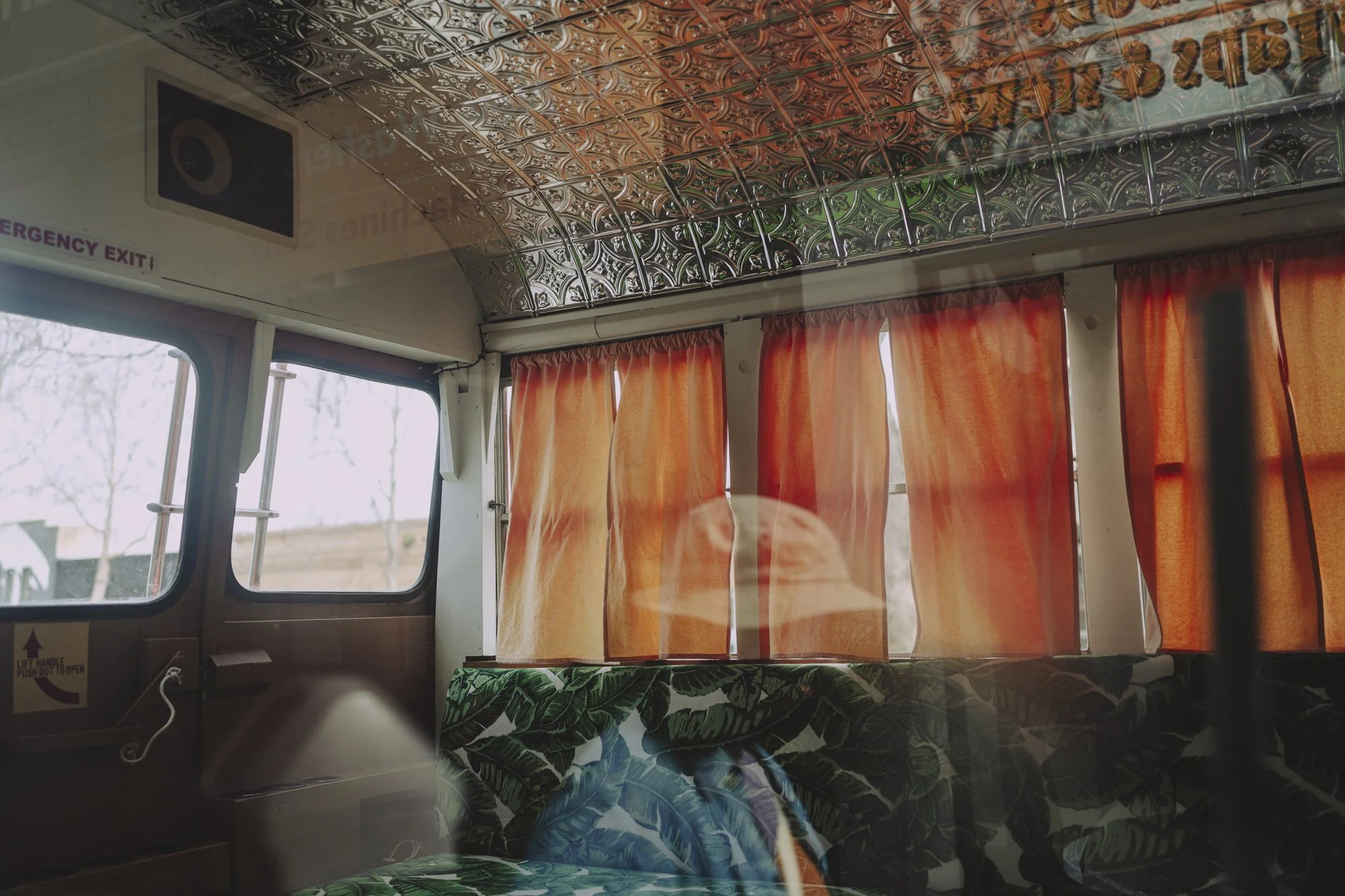
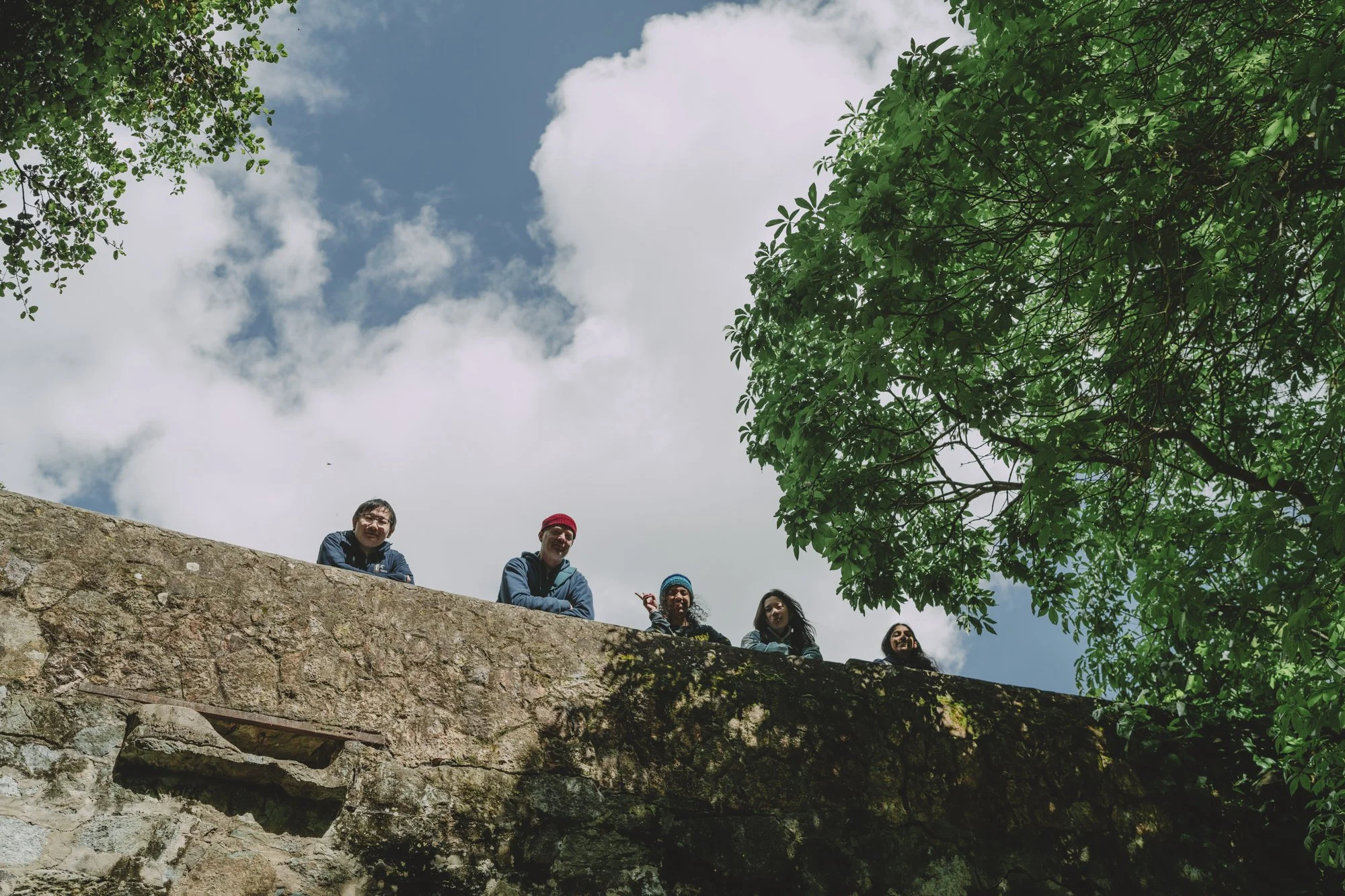
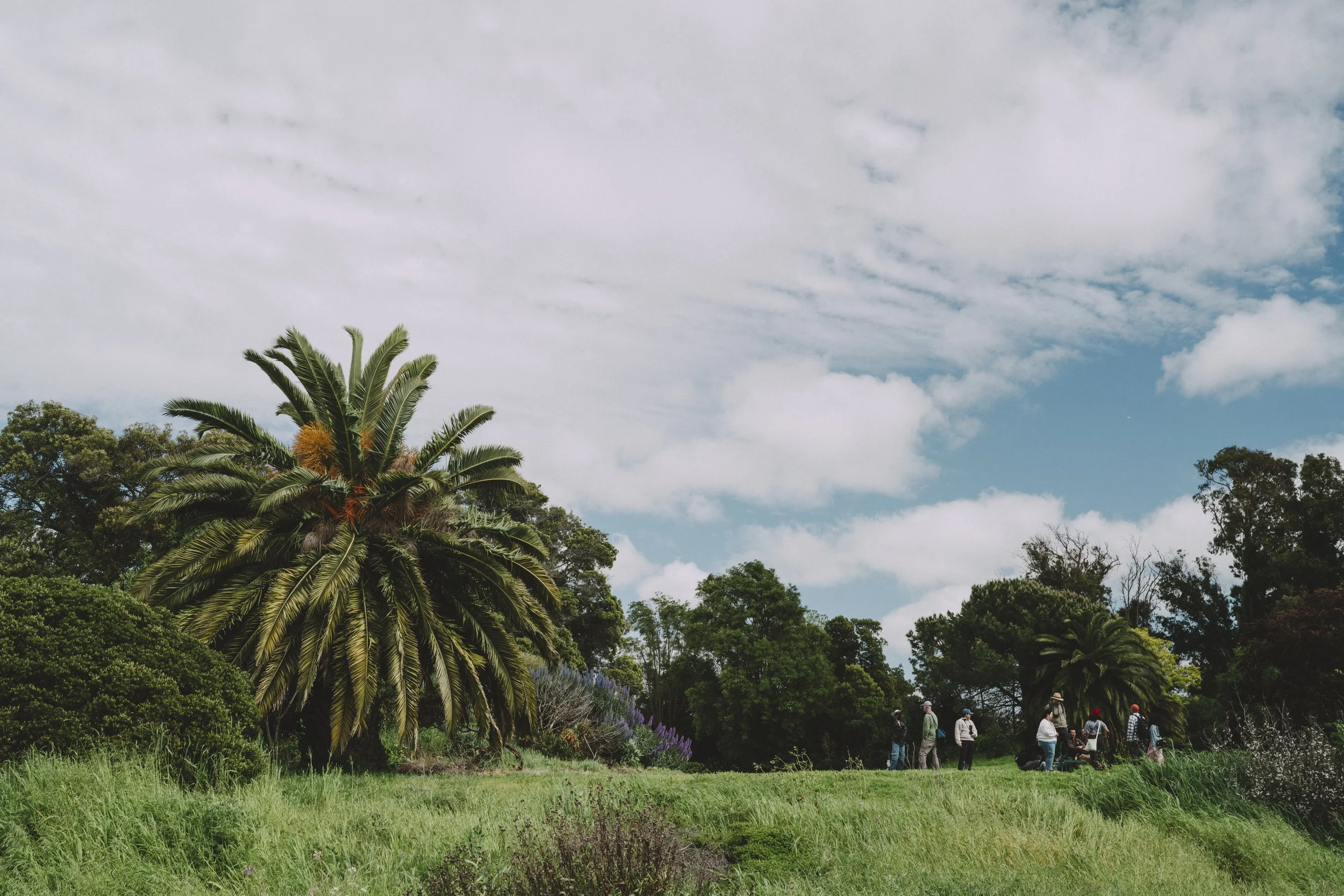
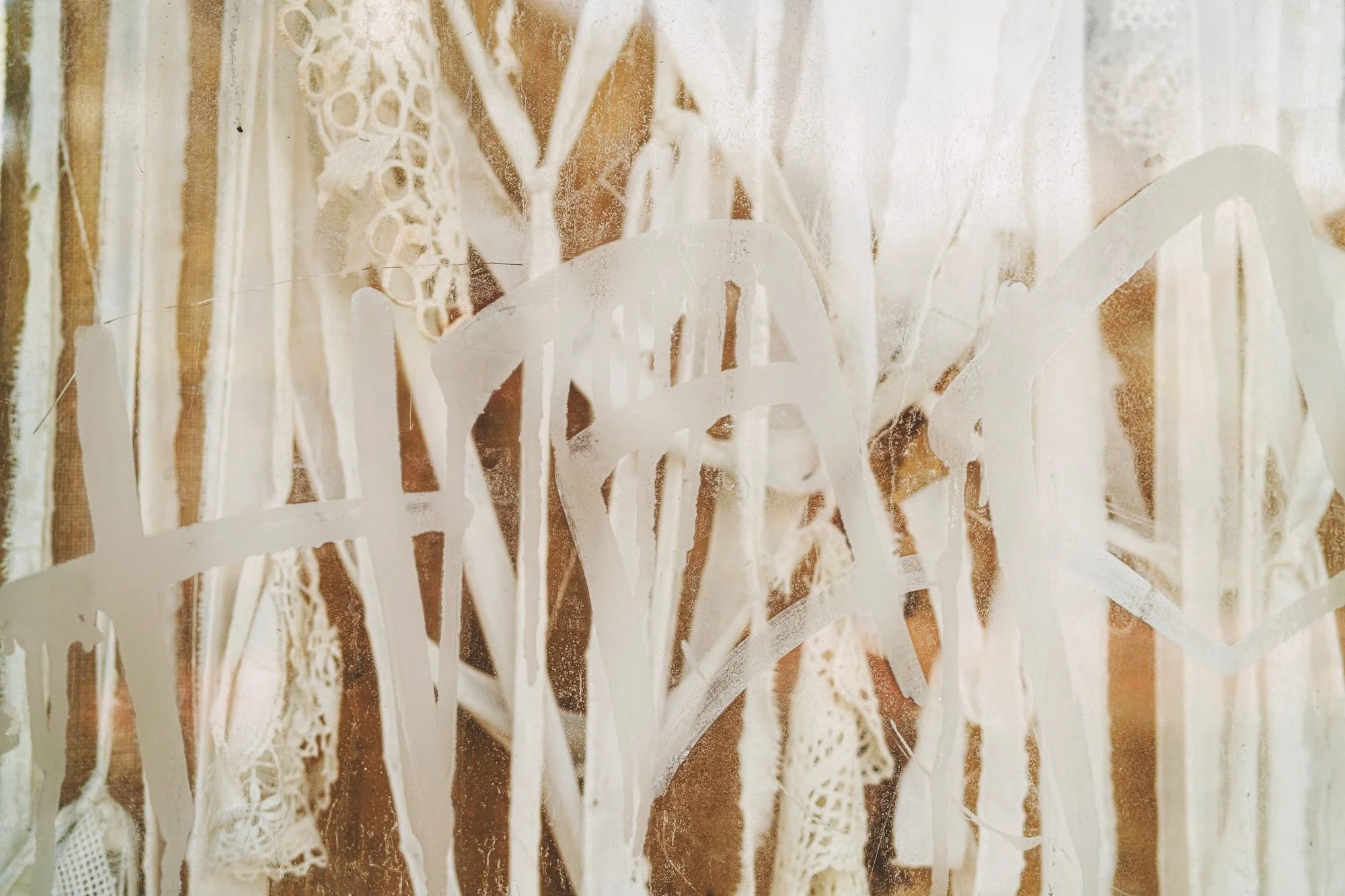
This work was produced primarily between January and late April of 2024, for a course taught by Joel Wanek at the University of California Berkeley’s geography department. For a semester, students walked the length of the East Bay’s San Pablo Avenue and photographed what we found there.
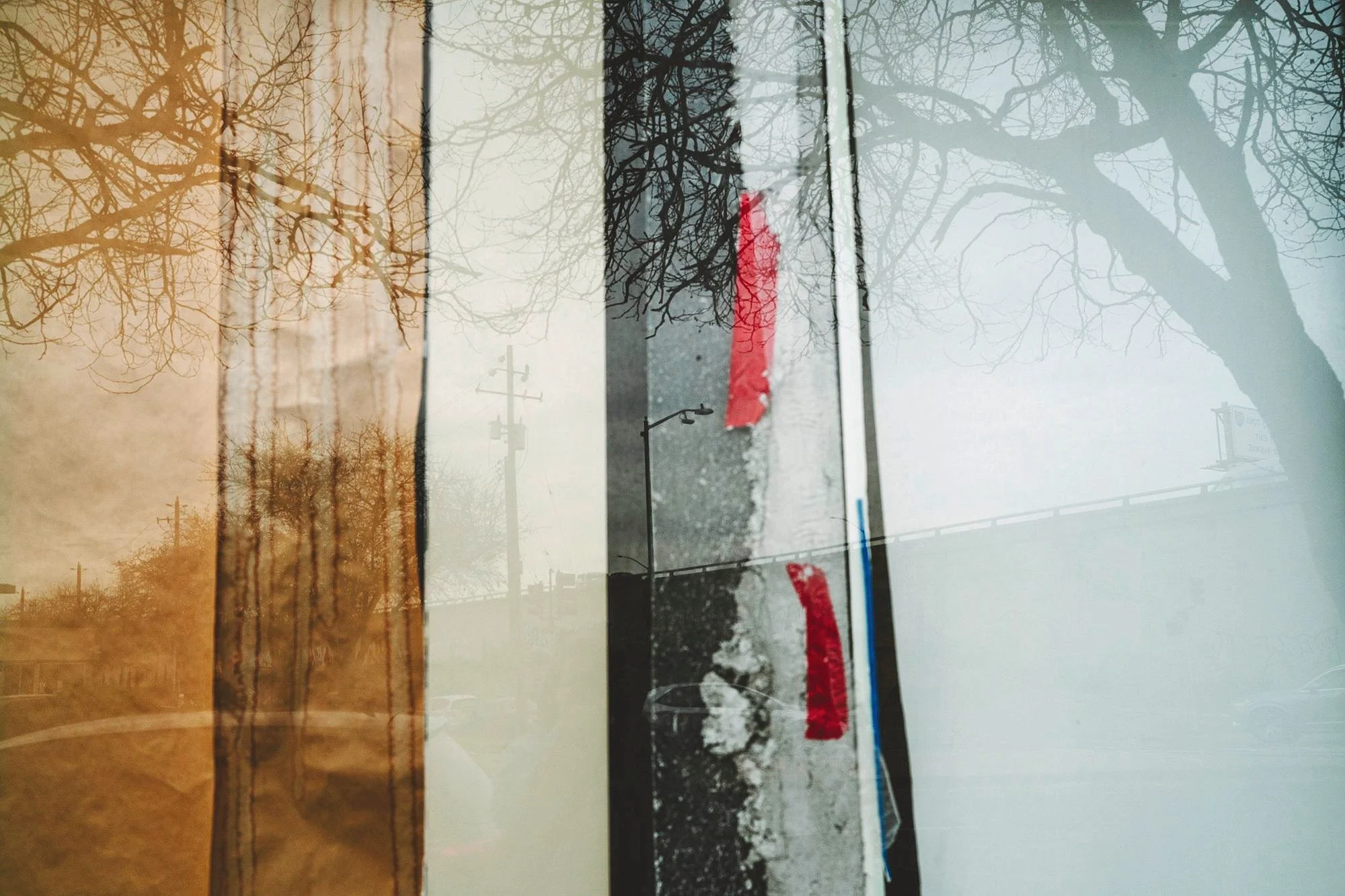
The MacArthur Freeway where it crosses San Pablo Avenue, reflected in the papered windows of the historic California Hotel (3501 San Pablo Ave, Oakland).
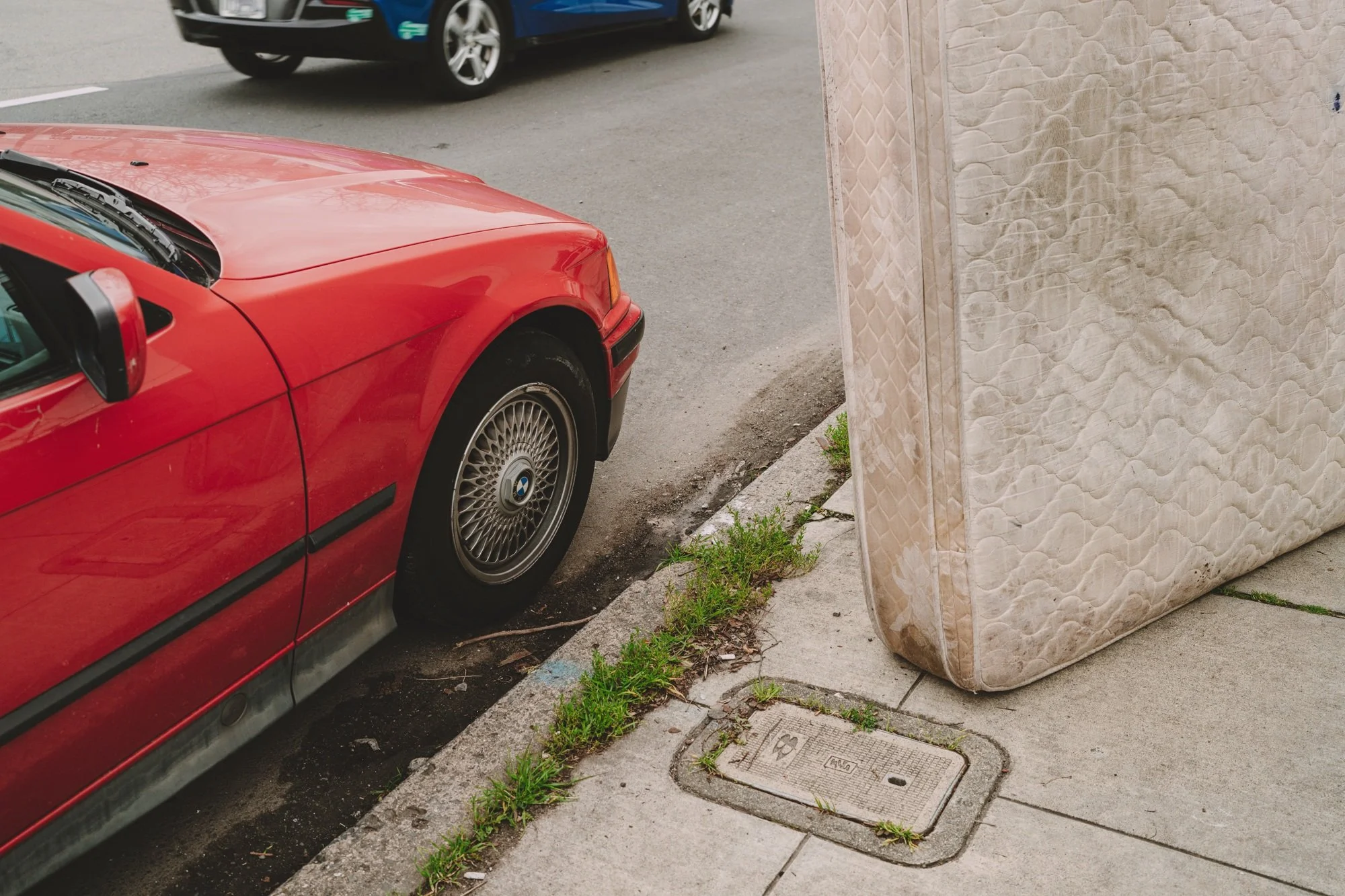
5927 San Pablo Ave, Oakland.
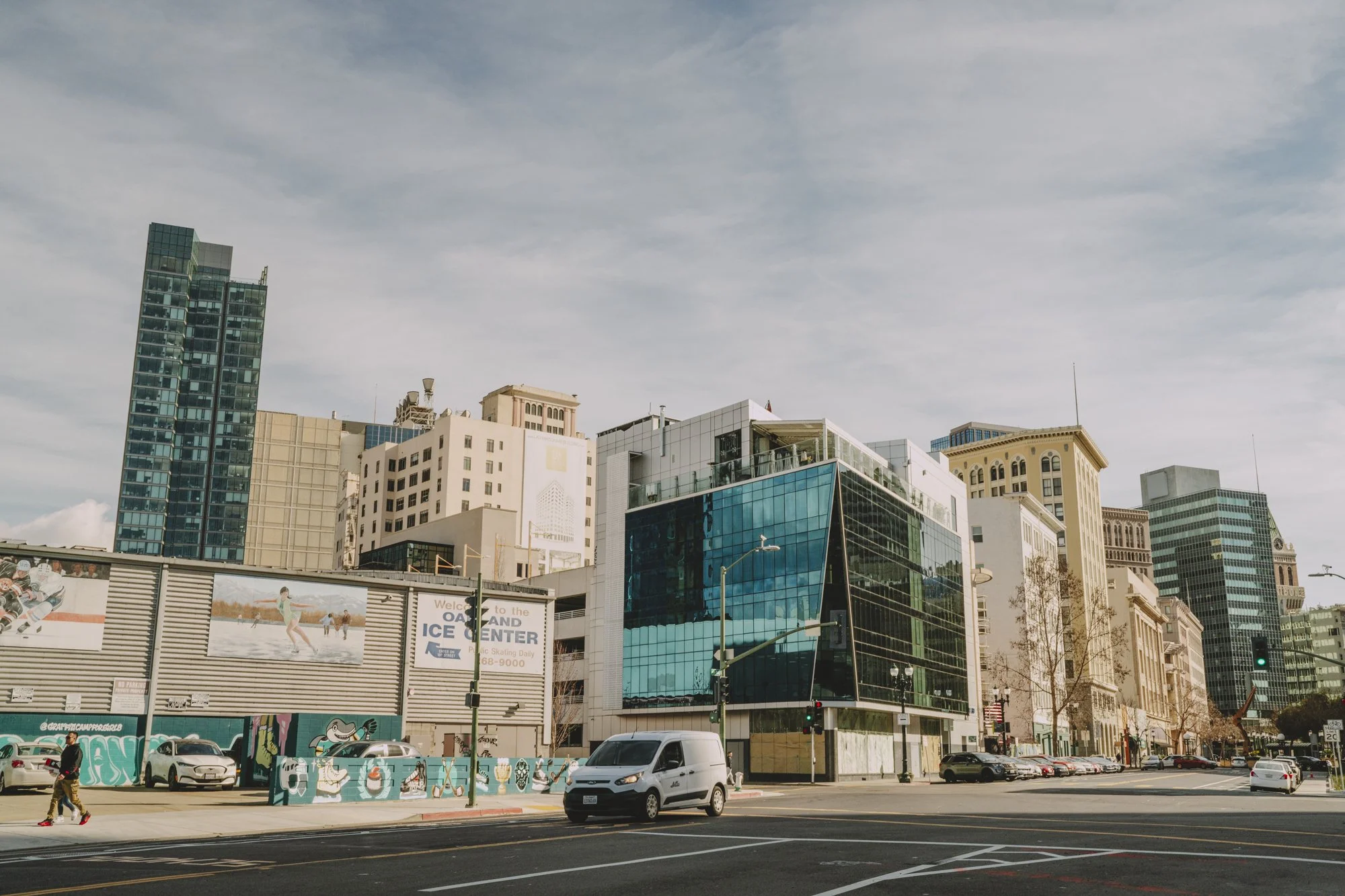
San Pablo, Clay, and 17th in Oakland
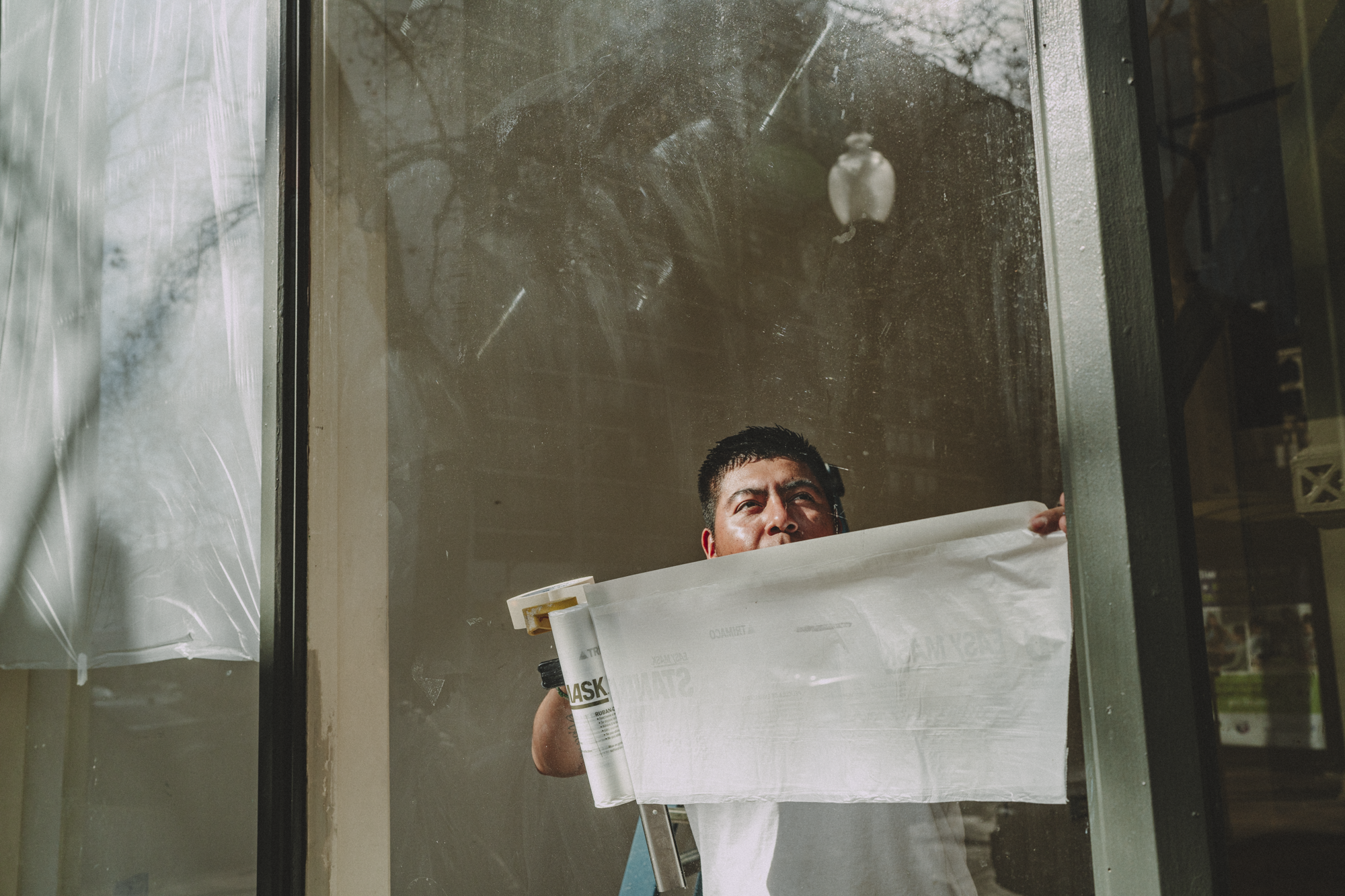
961 Broadway, Oakland
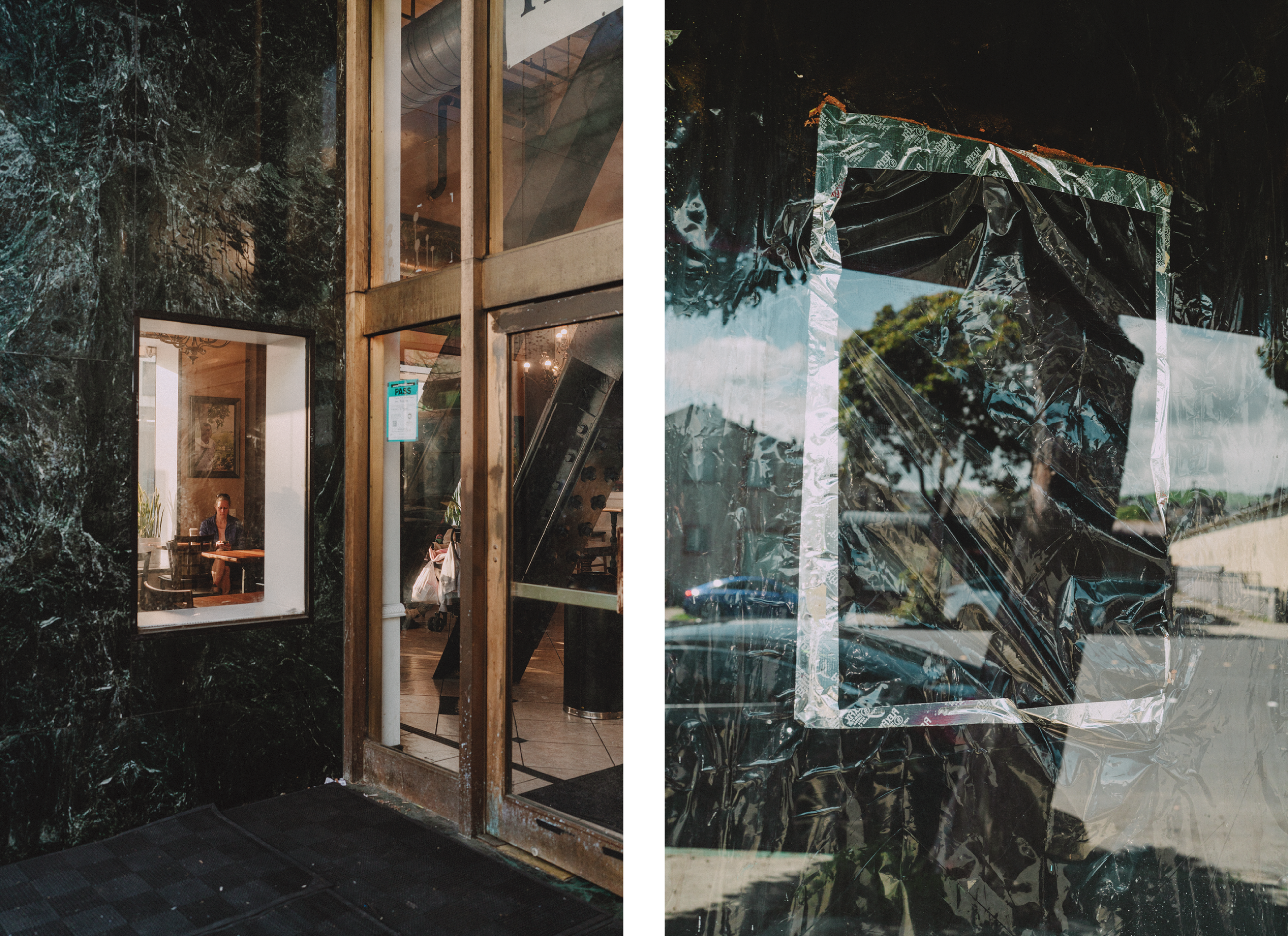
L: Tierra Mia Coffee (2001 Broadway, Oakland). R: Pulse Fitness Studio (12560 San Pablo Ave, Richmond) next to La Alma De Sol.
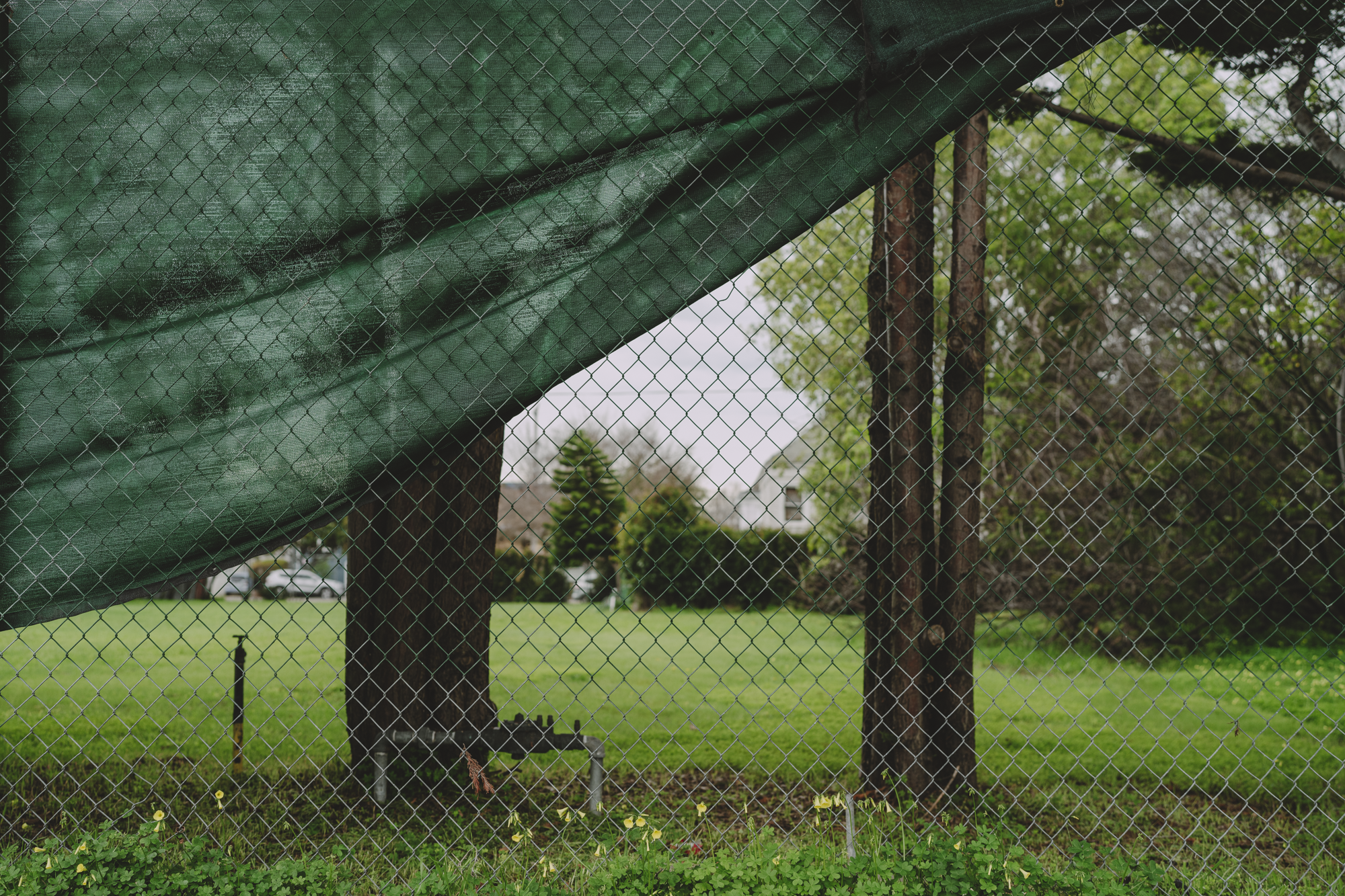
Shambho Meadow at 5617 San Pablo Ave, Oakland
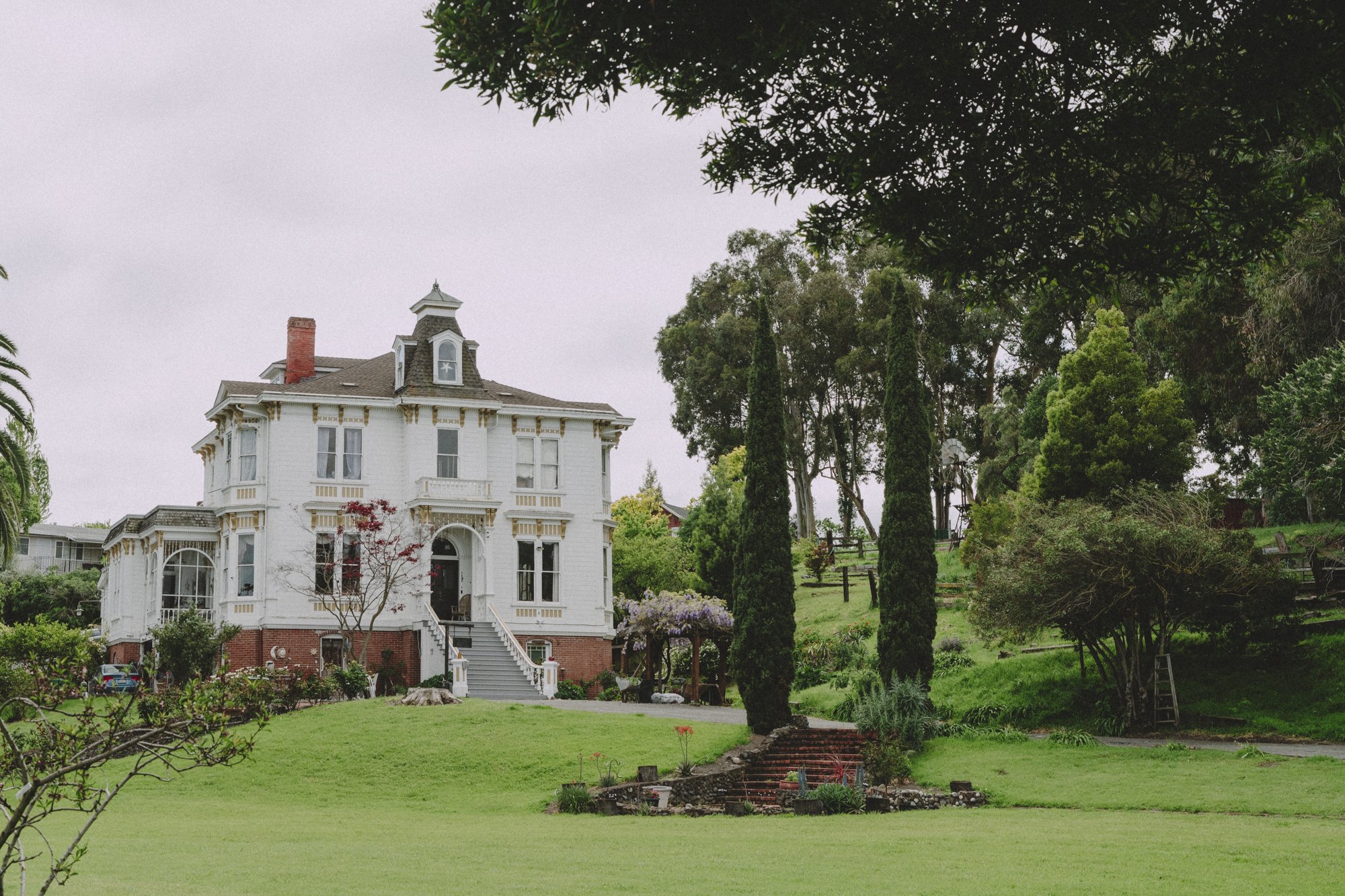
The Fernandez House at 100 Tennent Ave, Pinole
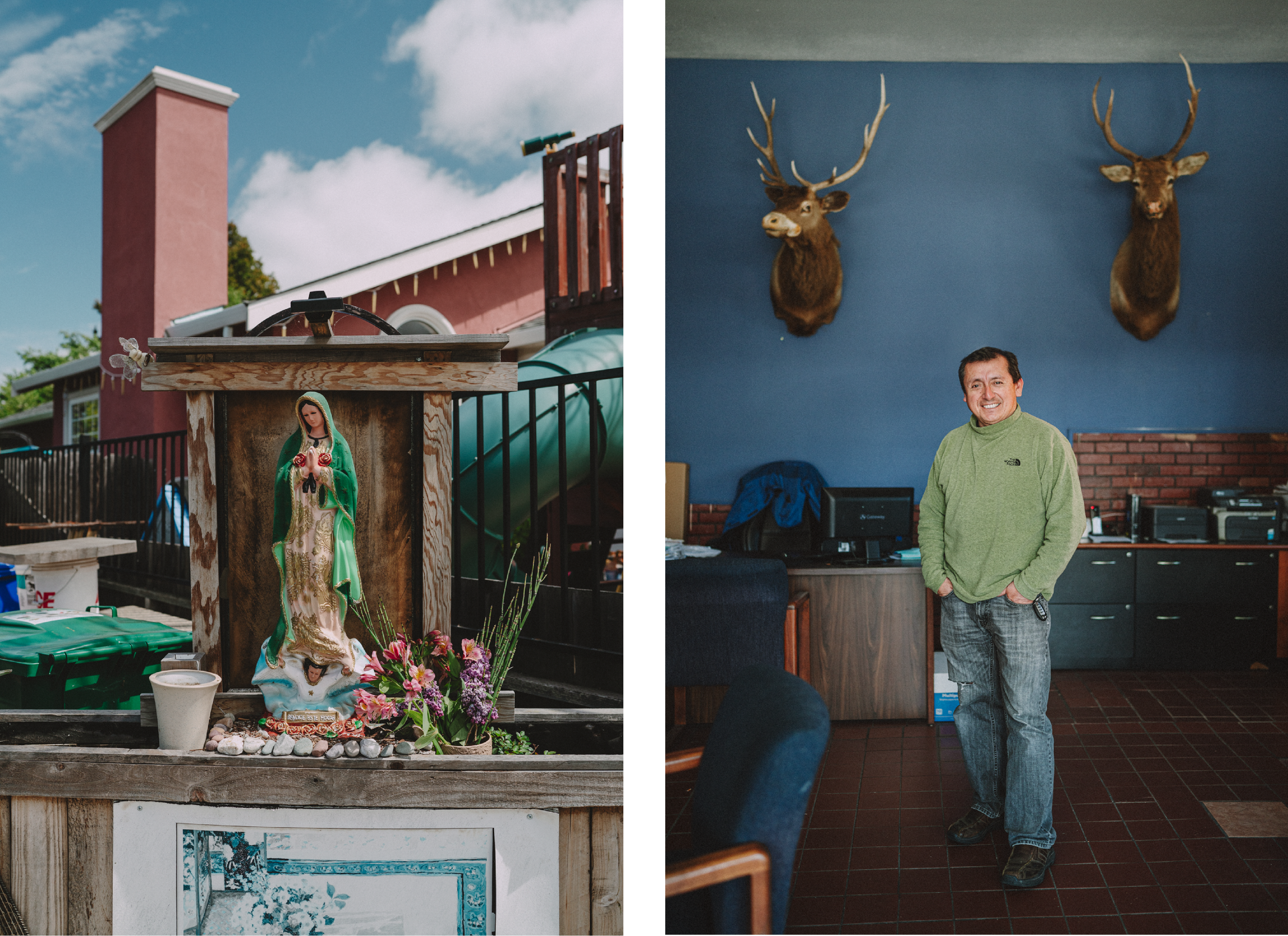
L:1 801 Broadway Ave, Richmond. R: Henry in his office at 12811 San Pablo Ave, Richmond.
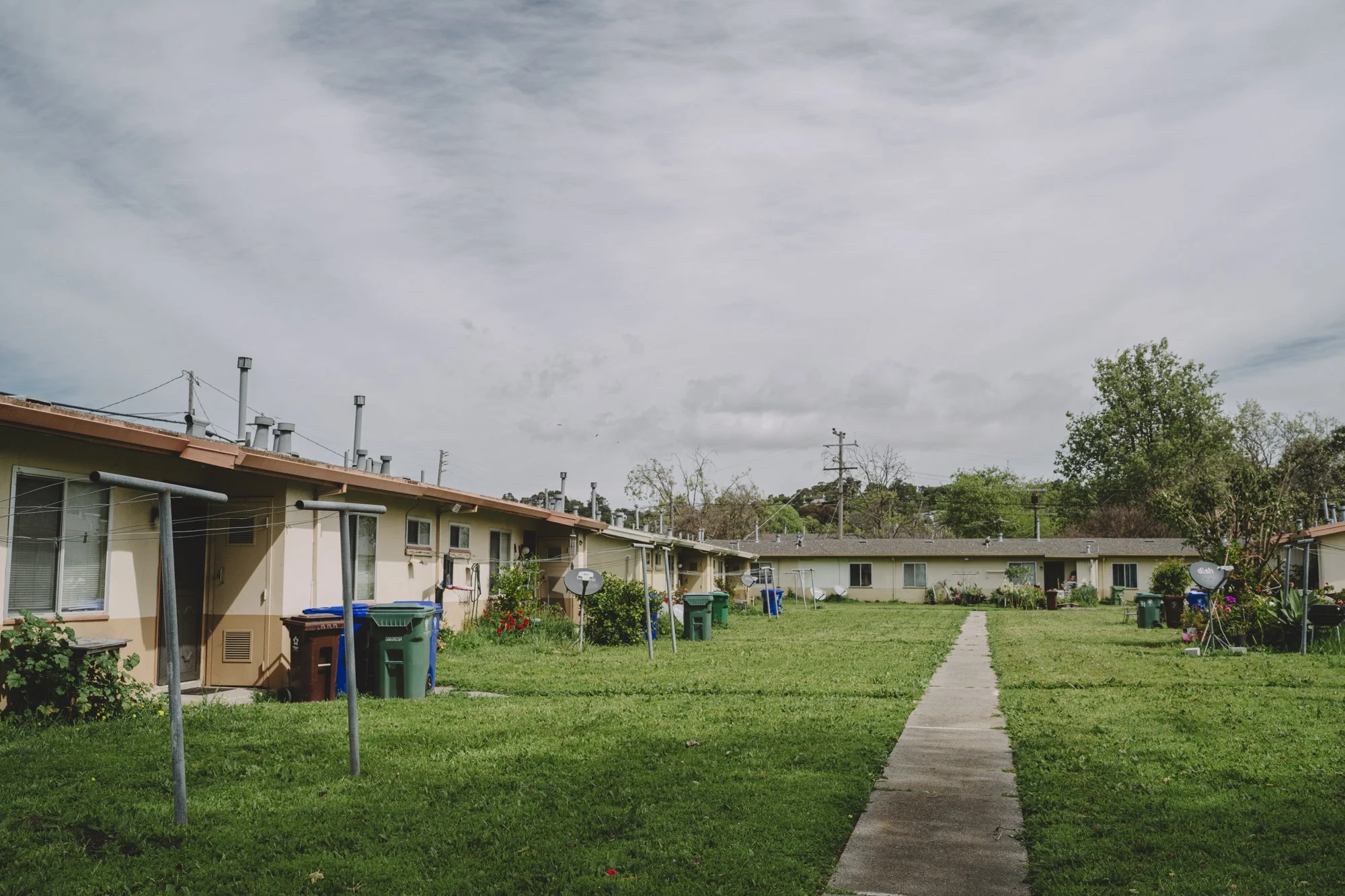
College Lane and Del Camino Drive, San Pablo.
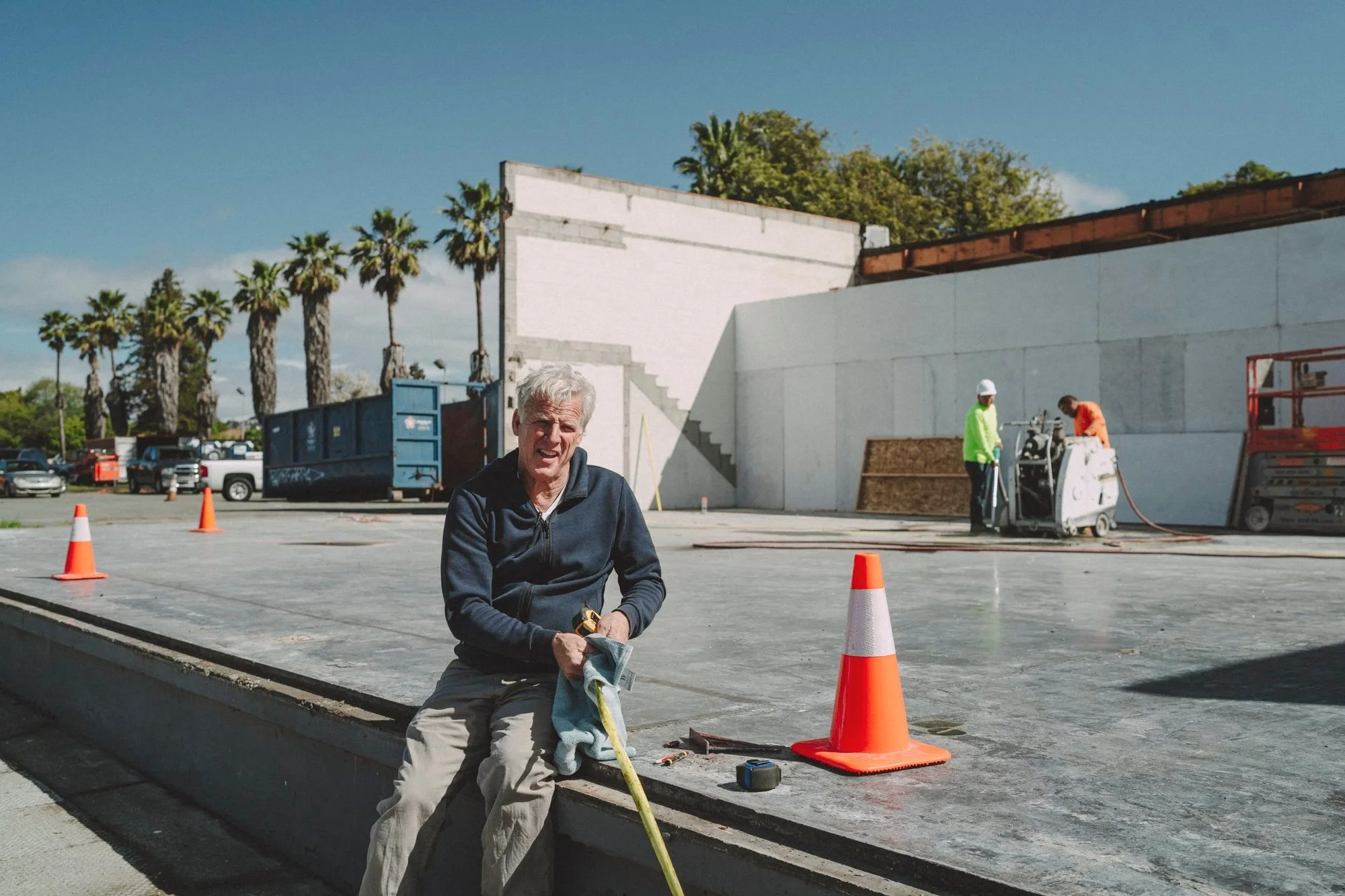
Constructing a new Dollar Store at 12300 San Pablo Ave
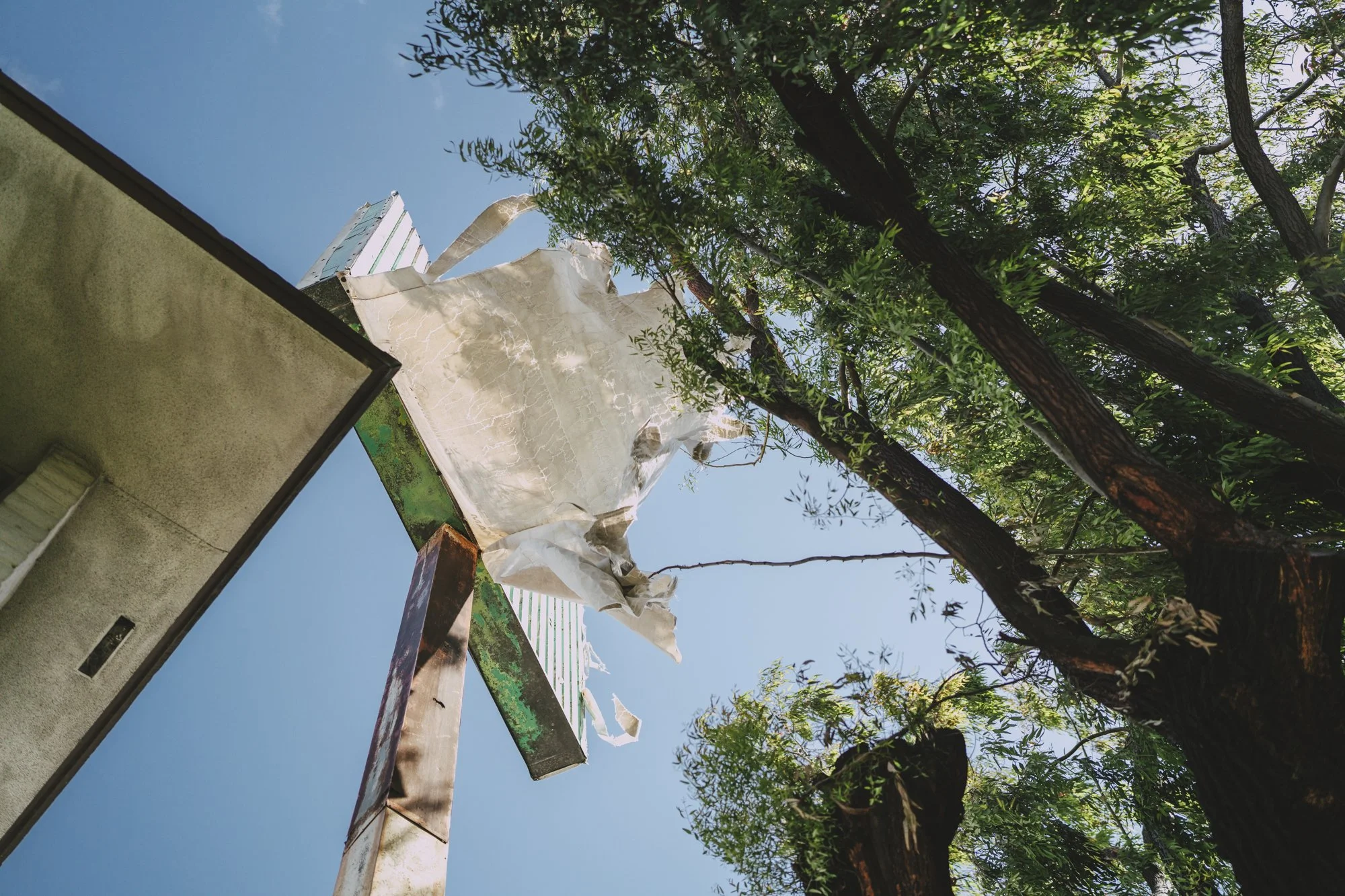
Billboard for a building occupied by Solinsure and El Jardín de los Sueños Cafe, right next to Richmond's 580 overpass of San Pablo. 12411 San Pablo Ave, Richmond.
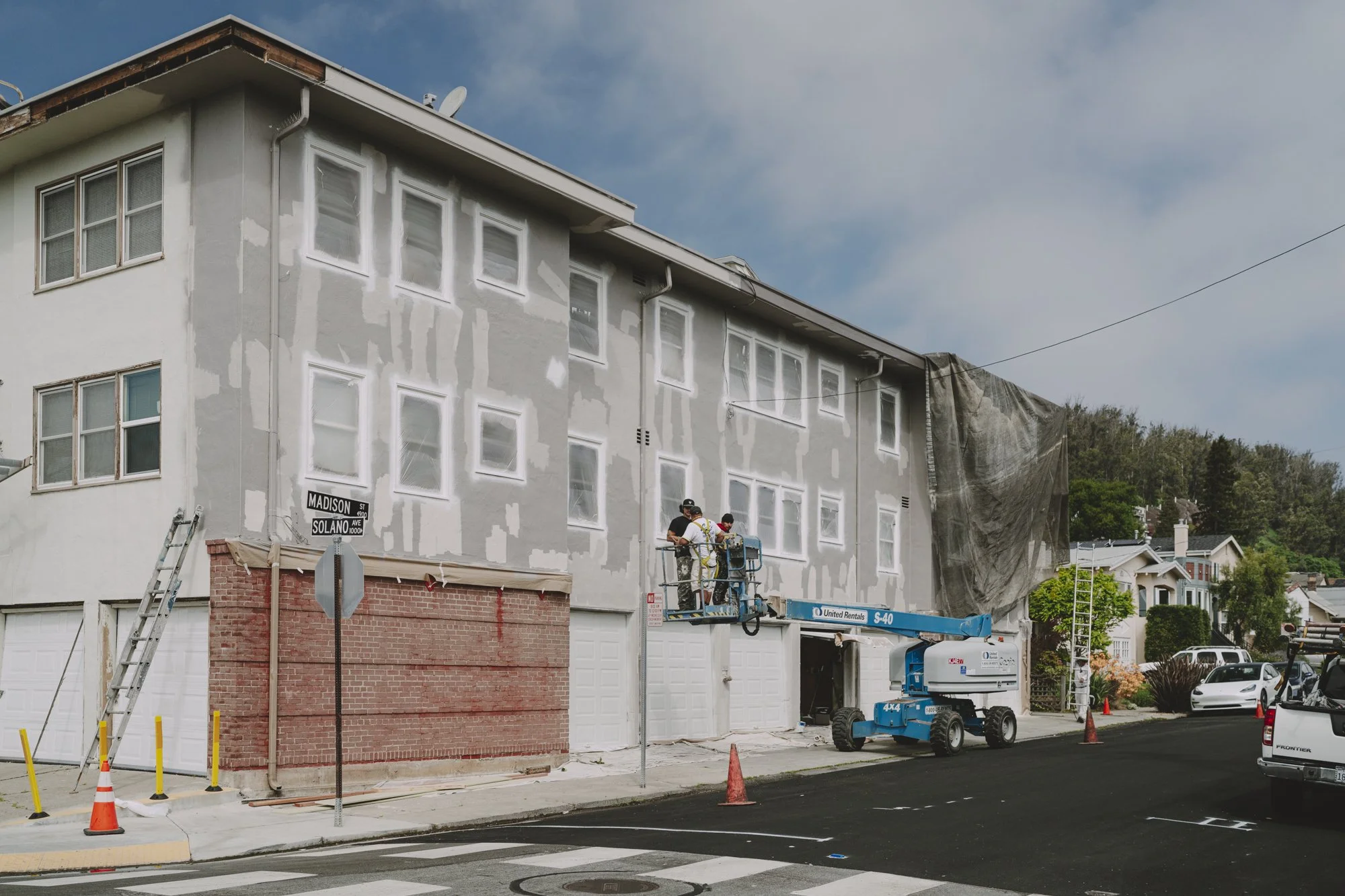
943 Solano Ave, Albany.
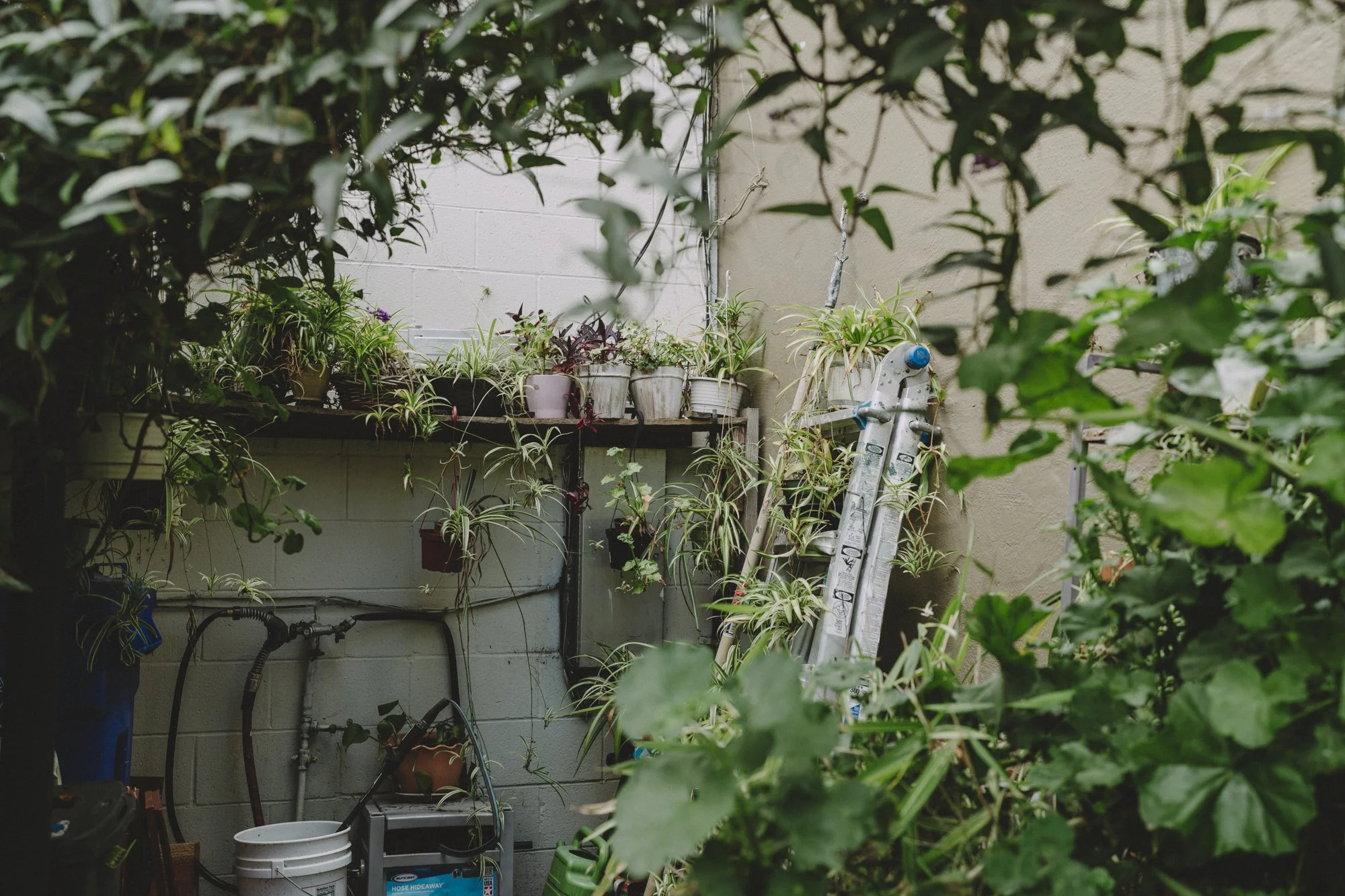
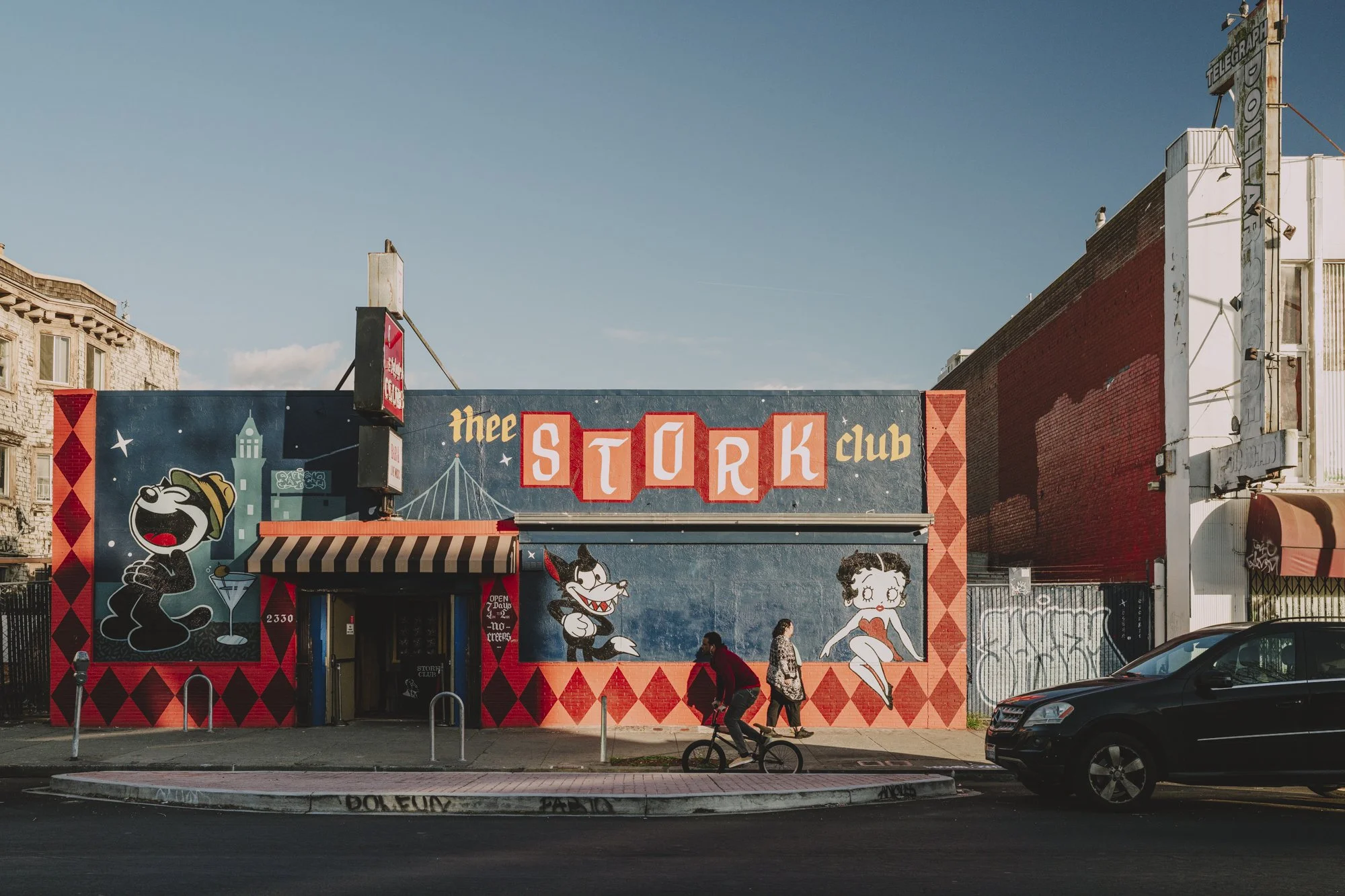
2440 San Pablo Ave, Pinole
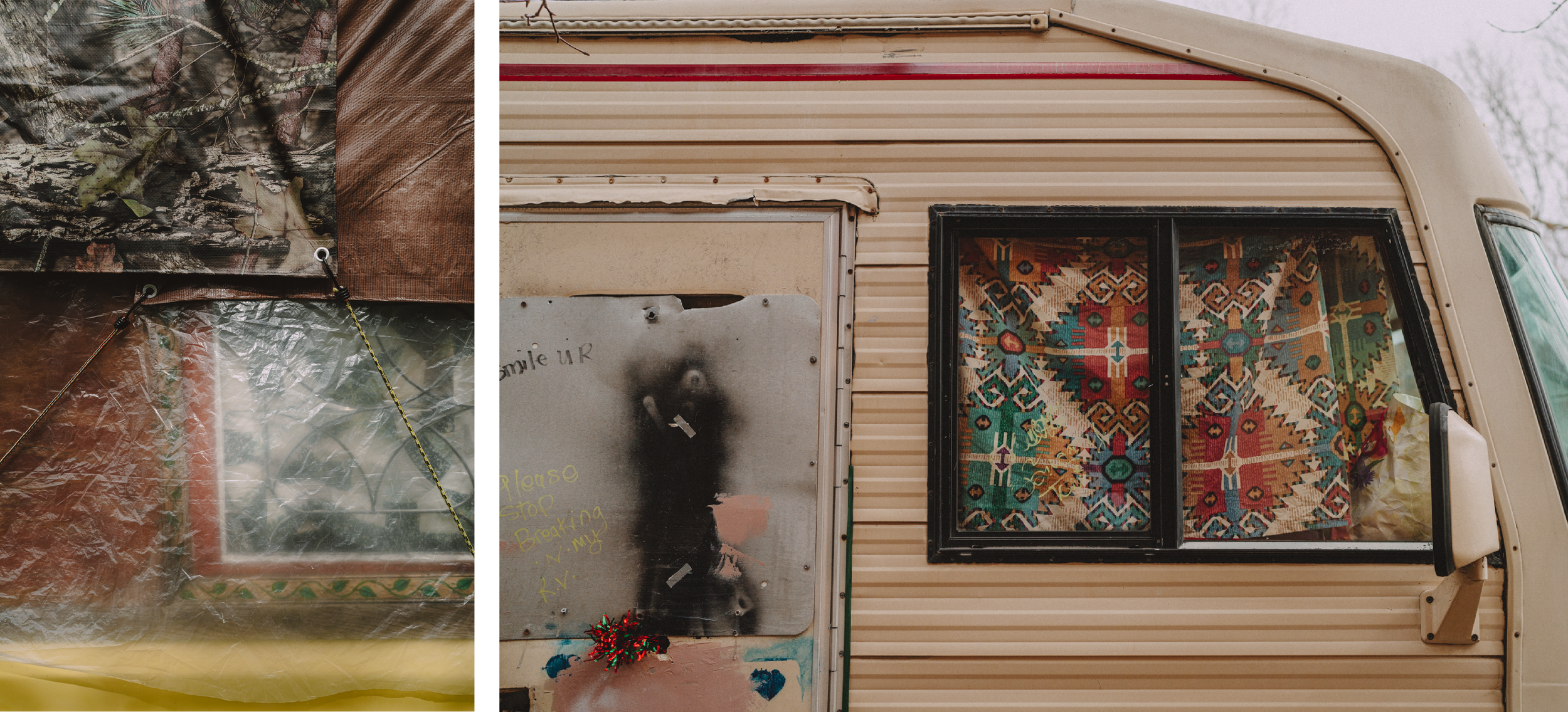
L: 930 Grayson St, Berkeley. R: 54th and San Pablo Ave, Oakland
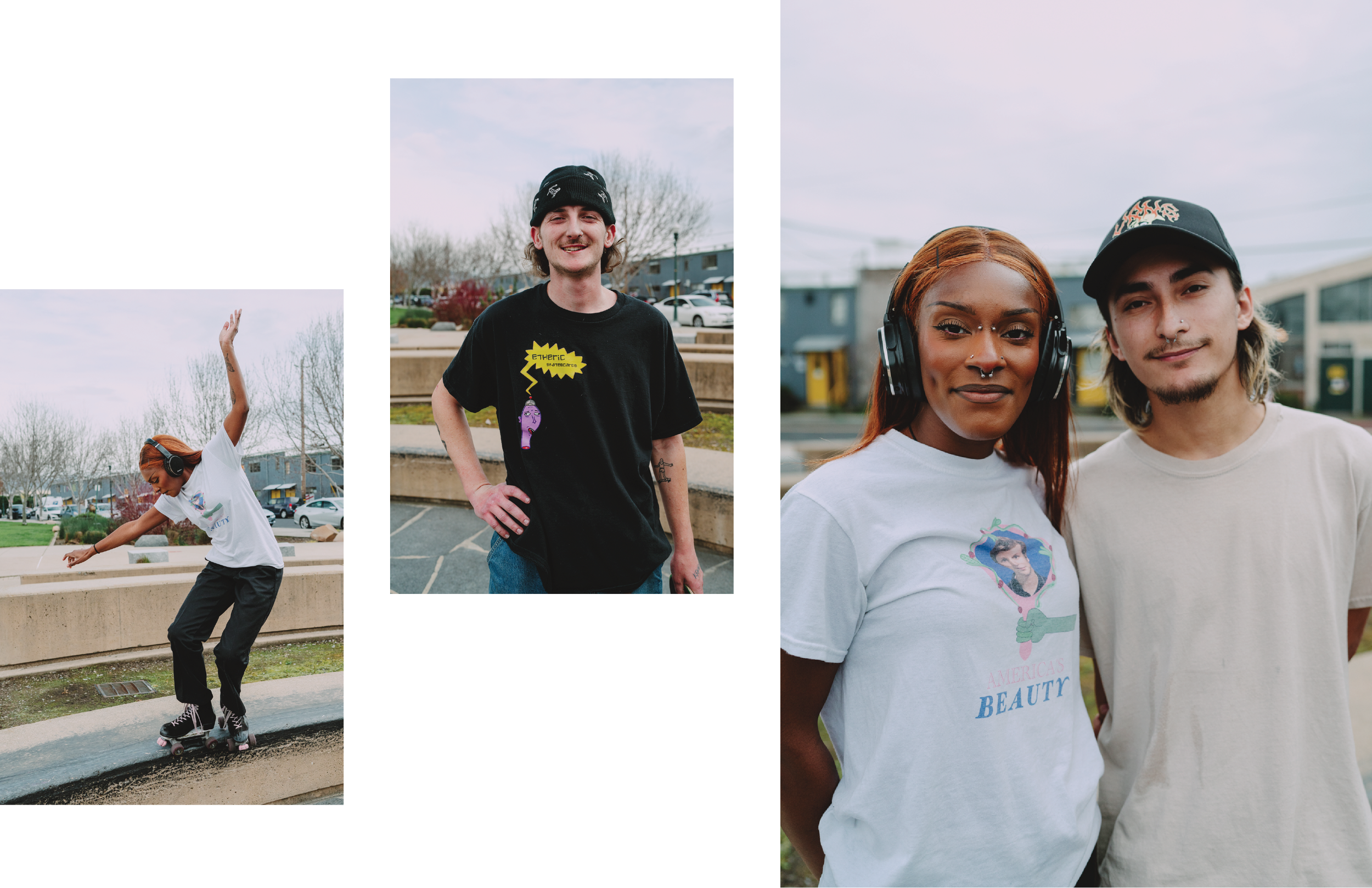
Kai, Zach and Aron at Doyle Hollis Park (61st and Hollis), Emeryville
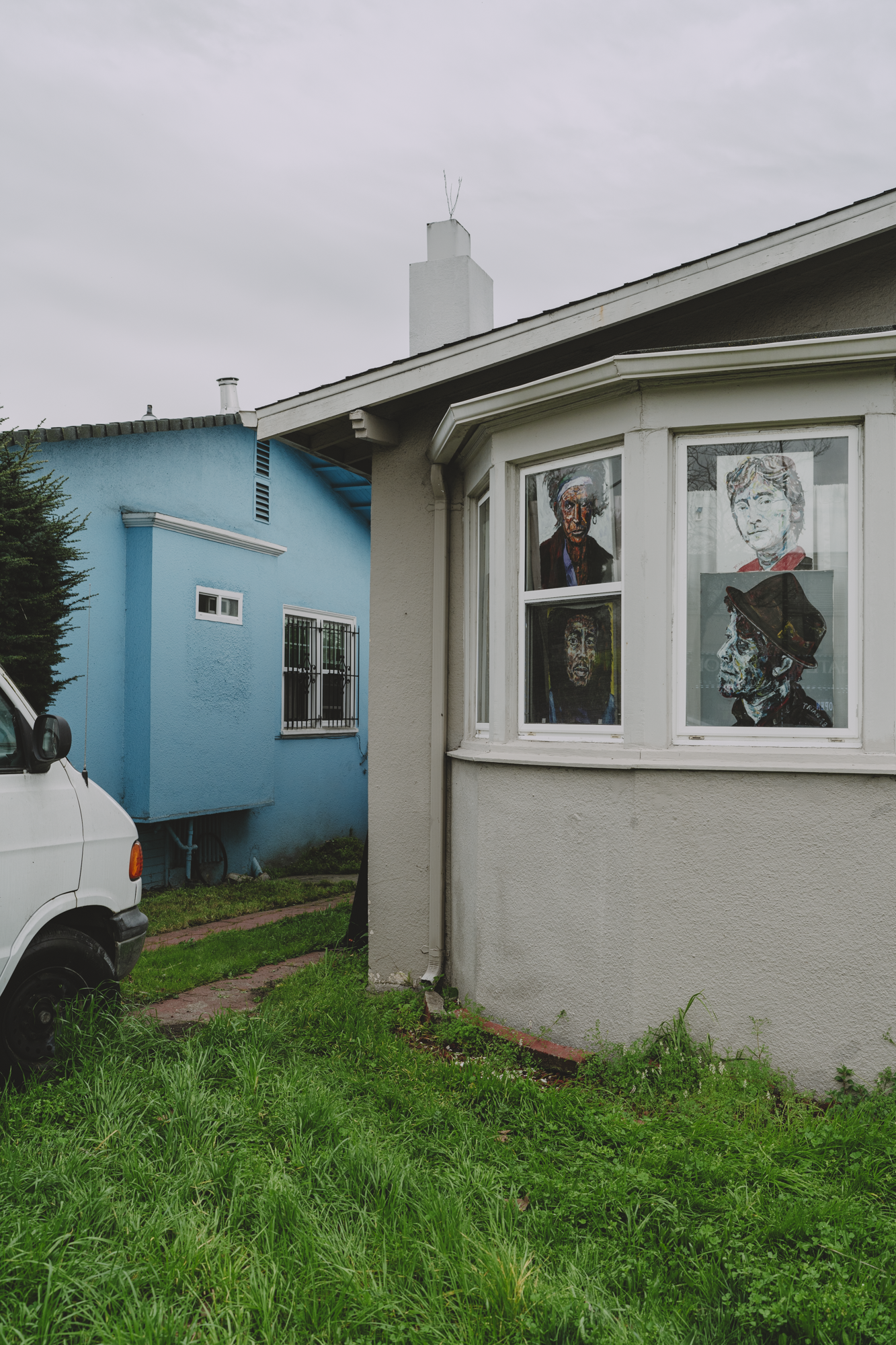
5921 San Pablo Ave, Oakland
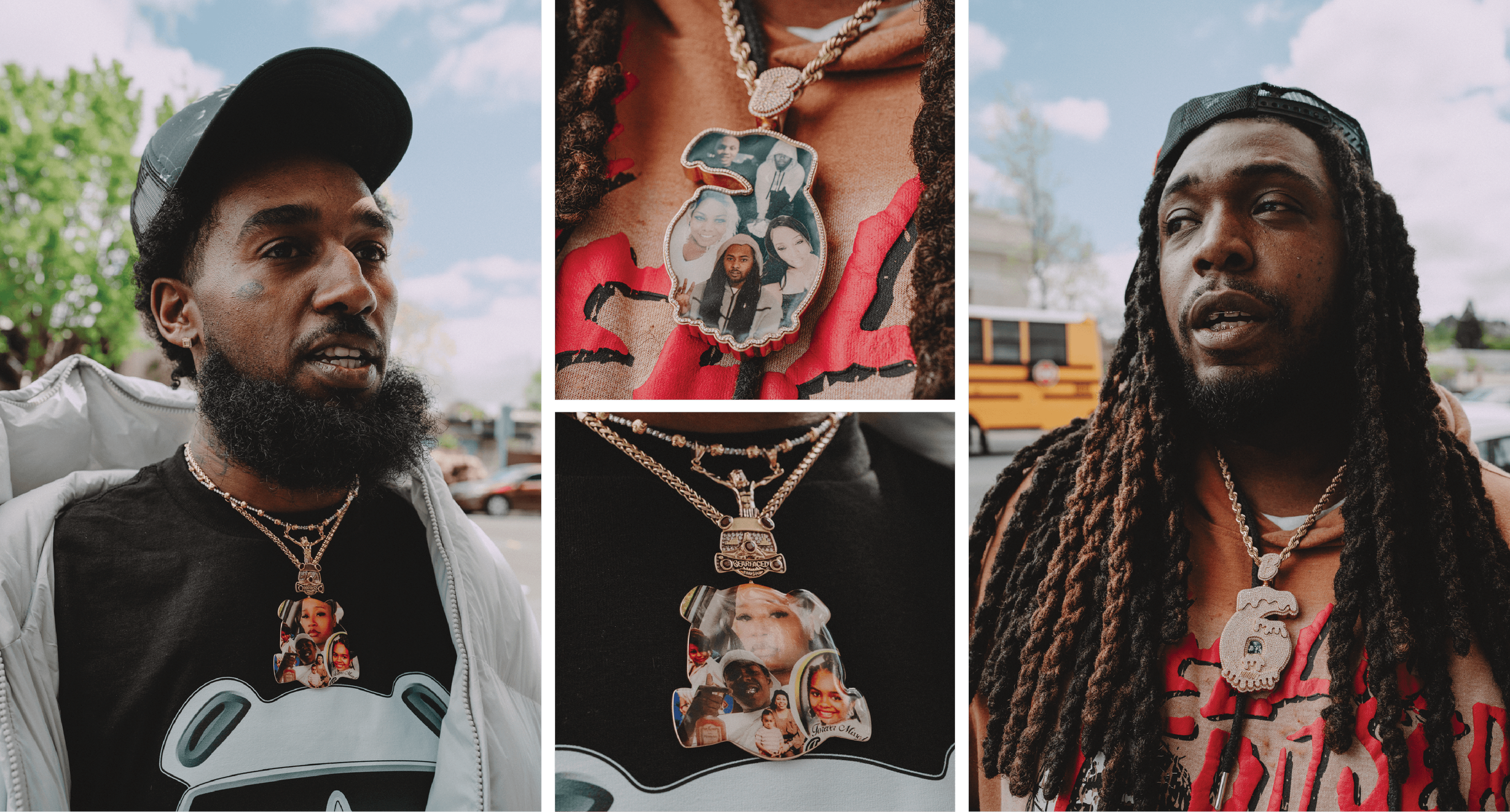
HD and BJ take a break from shooting a music video in front of Bill's Liquors (2350 San Pablo Ave, Pinole) to share the story of their medallions, which bear the faces of lost loved ones.
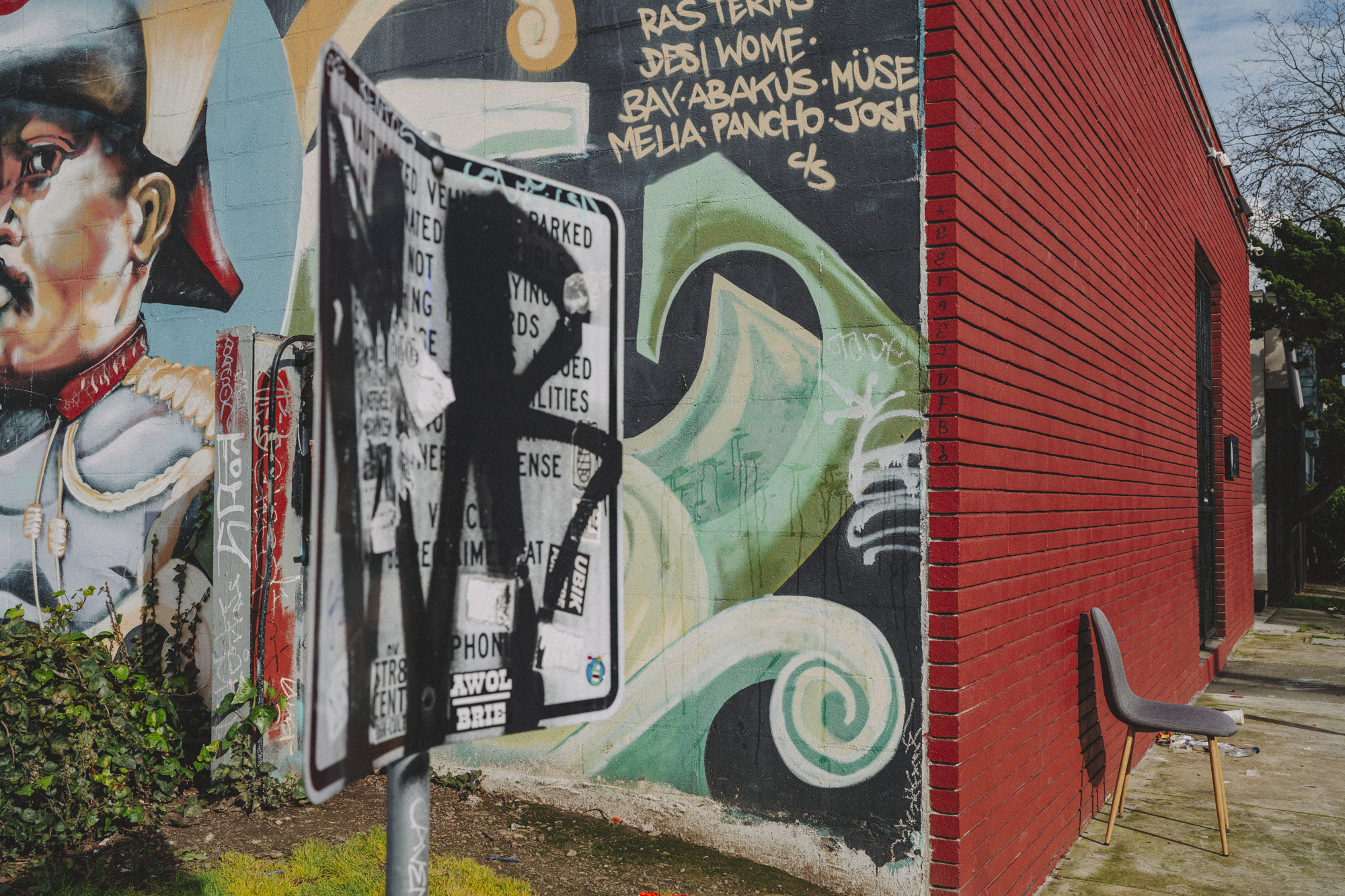
The Martin Luther King Jr. Cultural Corridor Entrance Mural at 632 W Grand Ave, Oakland. At the end of this block 980 intersects with San Pablo and West Grand Avenue. The mural depicts Martin Luther King Jr, Marcus Garvey, and Dorothy Height (now obscured by ivy). Mural by Ras Terms, Desi W.O.M.E, Abakus, Melia, Muse, Pancho Pescador, and Josh.
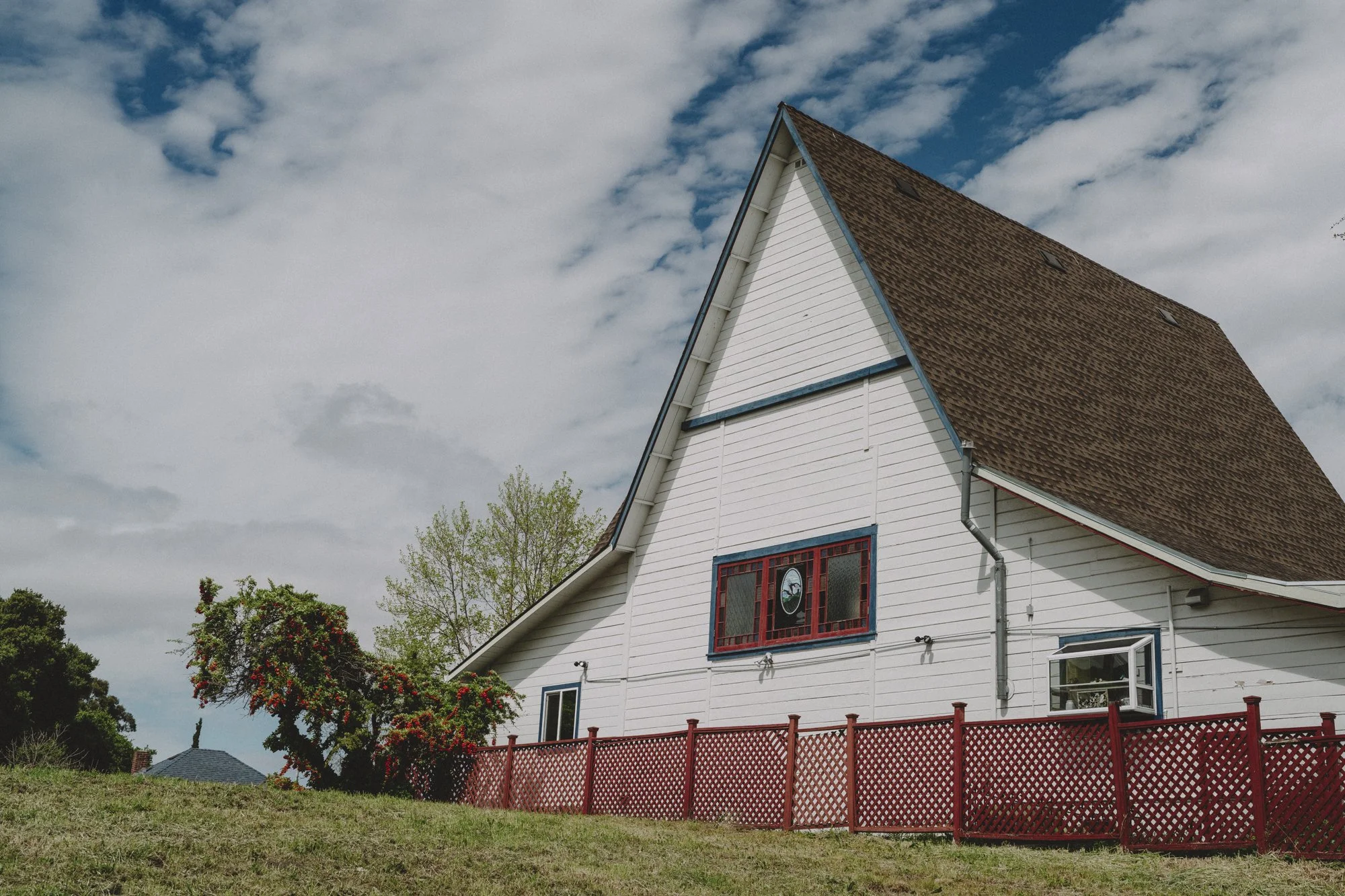
Pythian Castle (2131 San Pablo Avenue, Pinole). Built by Pinole's first Episcopal Methodist Church in 1898, the building later became a lodge for the Knights of Pythias, a whites-only fraternal order (followed by an Assembly of God Church, and offices for an insurance agency and then a tire company). Currently owned by a local certified accountant, the building houses offices but is still styled - by a plaque facing San Pablo Avenue – as "Pythian Castle."
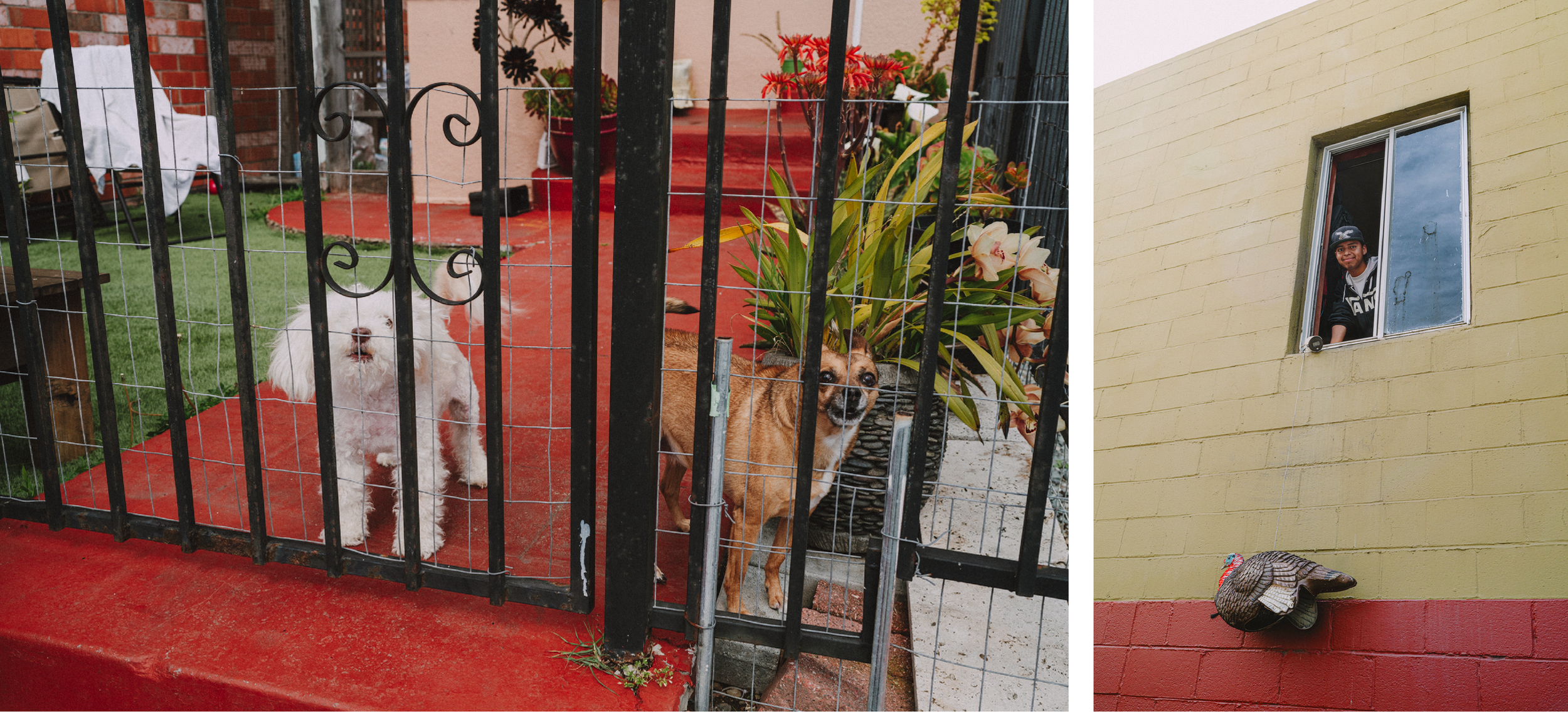
L: 12958 San Pablo Ave, Richmond. R: 14600 San Pablo Ave, San Pablo.
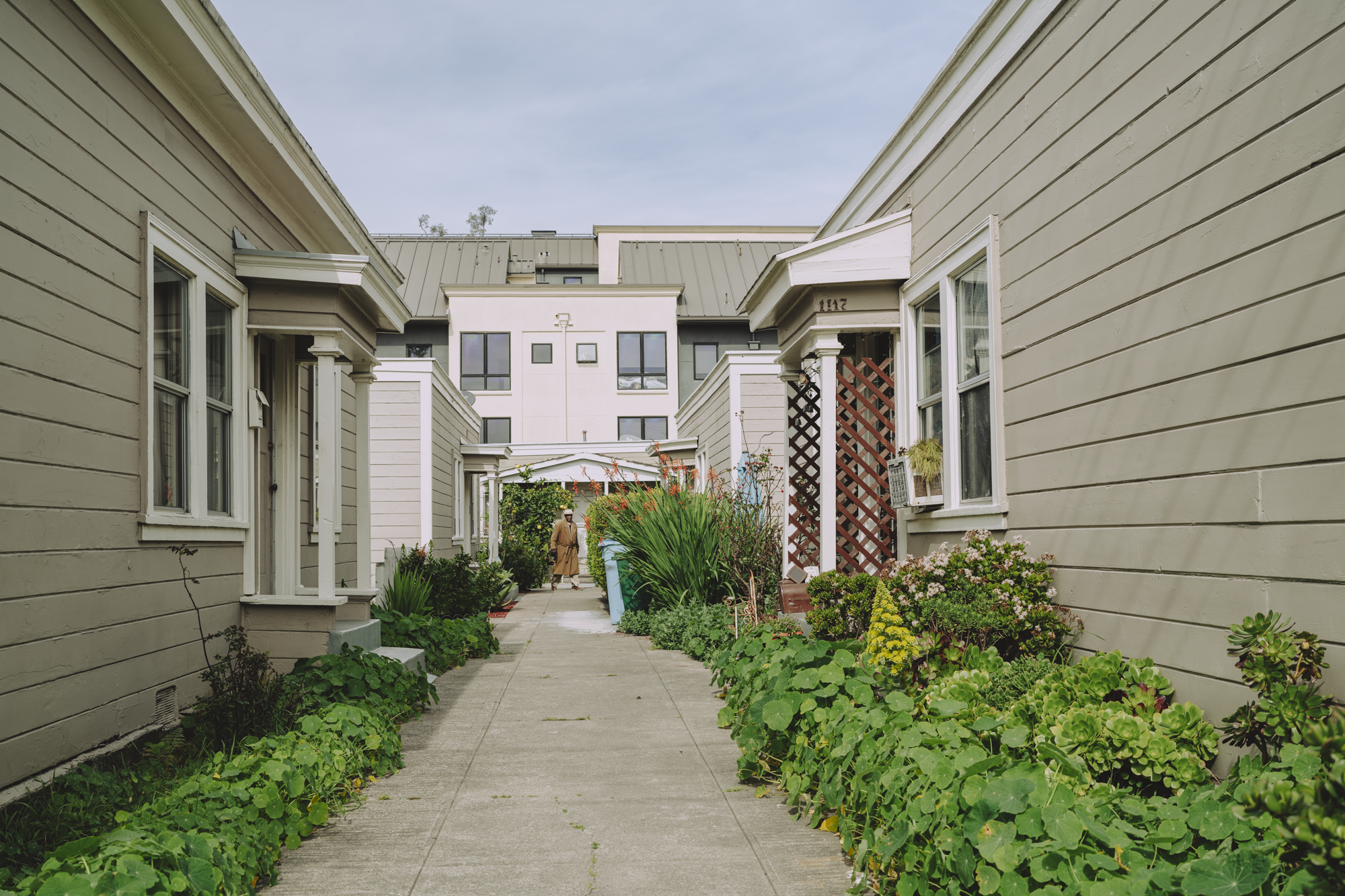
States_21_1117 Addison St, Berkeley.
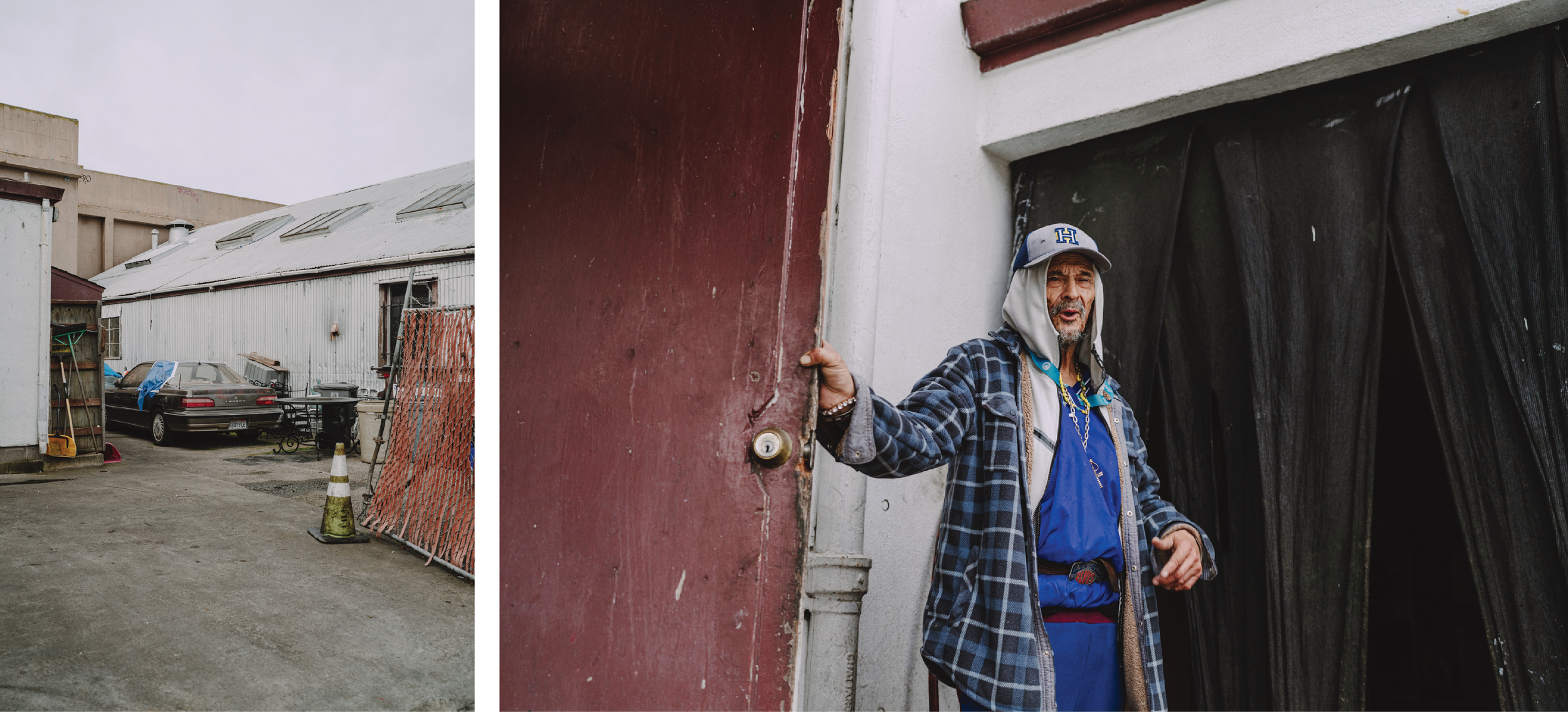
Juanito at 2612 Ninth St in Berkeley (next door to Juan's Mexican Food).
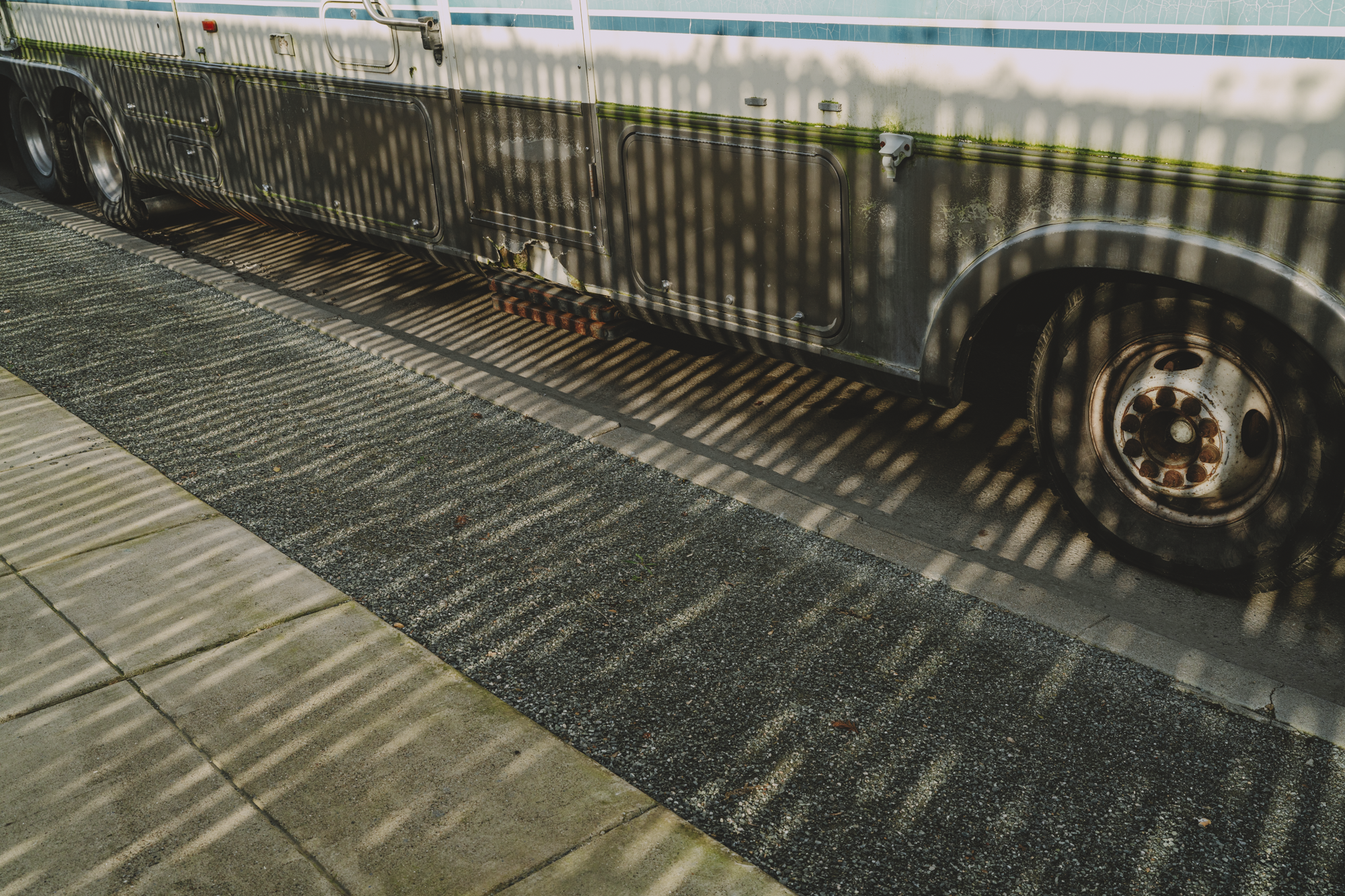
1365 Fourth St, Berkeley CA 94710
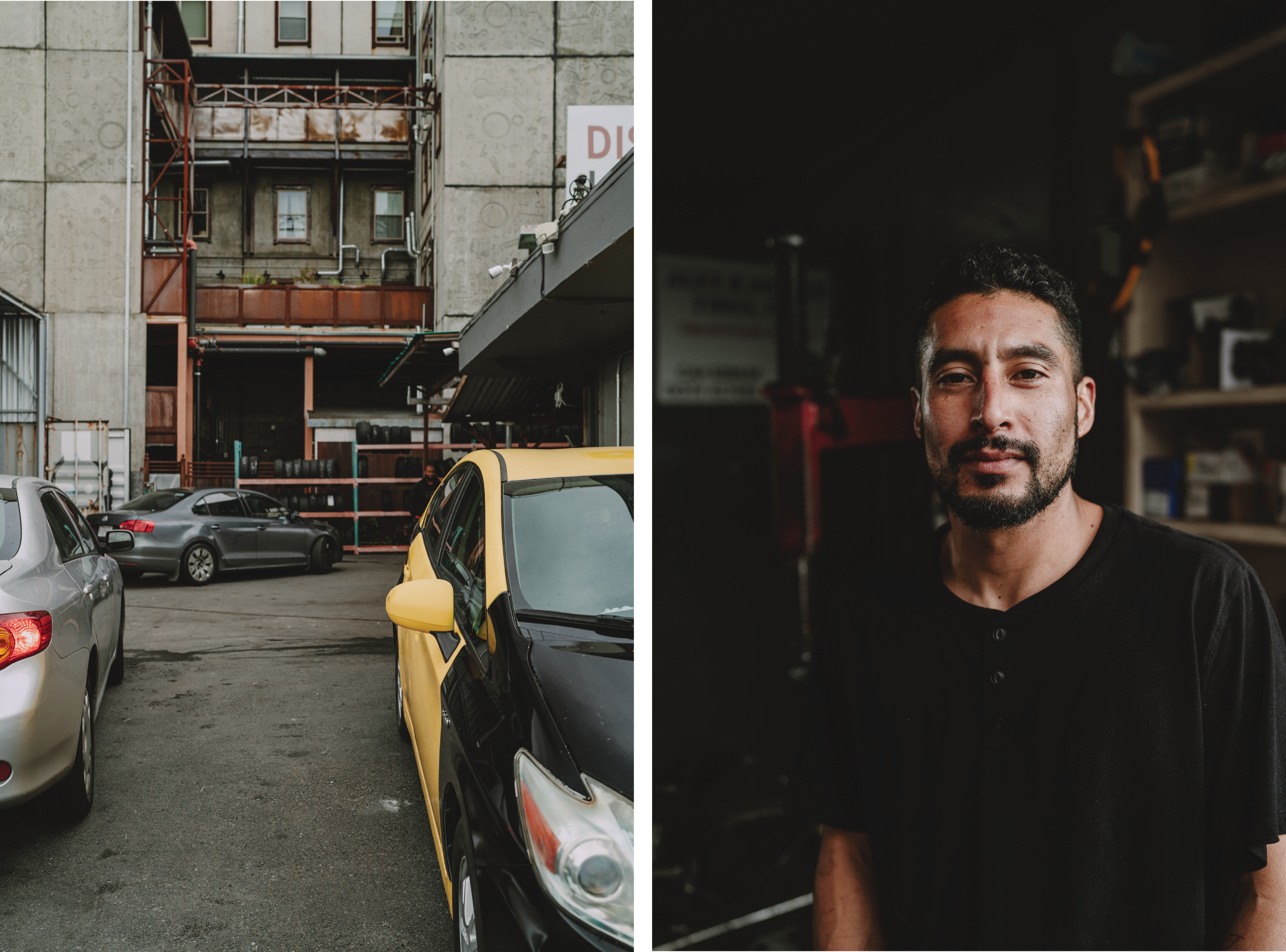
George at Alex and Angel's Tire Shop (6101 San Pablo Ave, Oakland)
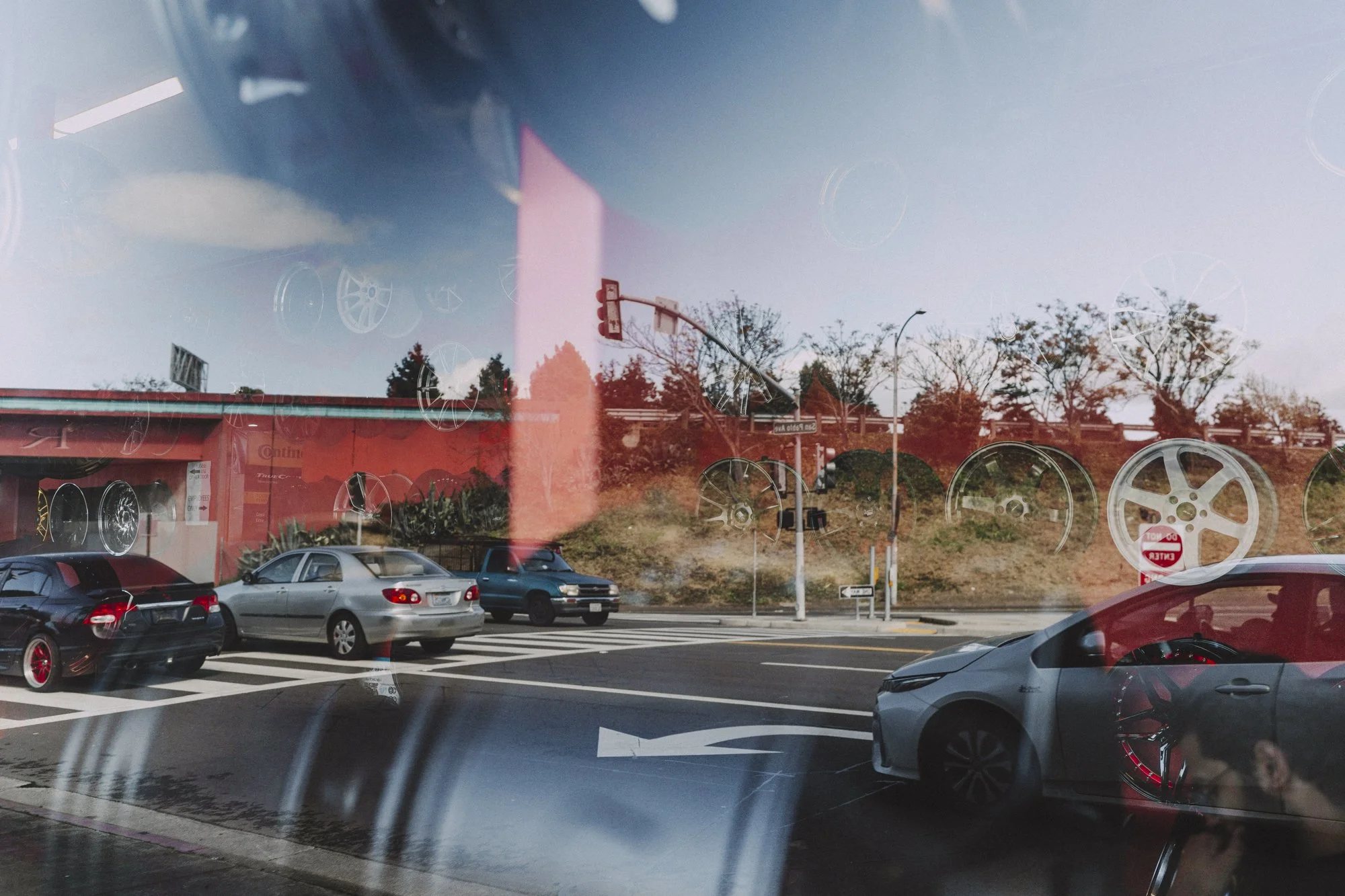
Tire and Wheel Pro, 12380 San Pablo Ave, Richmond, CA 94805
A NOTE ON PHOTOGRAPHY & THE SAN PABLO CORRIDOR
A photograph is a discontinuity, or a displacement. It’s just frozen light liberated from its context. You could say a photographer’s job is to make that discontinuity mean something – not to capture a moment in time, but to carry light to some place it couldn’t reach on its own – and also to set useful limitations or draw attention to troubling ones. You could say the viewer’s job is to pay attention.
Because I had an established photographic practice centered around place before I joined this class at in UC Berkeley's Geography deparment, and because I was accustomed to my photographs generally being accompaniment to music or interruptions to text, I found it difficult to know what I wanted the San Pablo photos (alone) to say. I figured what I had to say about San Pablo – a bad poem built from a jumble of businesses I used to frequent, bygone music venues, bus stops and bart sounds, stucco bungalows, vehicle exhaust, vine, brick, redlining, and liquefaction risk – was less interesting than what San Pablo (and people sheltering, laboring, shopping, stopping, going there) still had to say to me. So I just asked a lot of questions. This is really, if I’m honest, what I think a photographer’s job is, not delivering light. Our job is to ask questions and the viewer’s job is to ask if we’re asking the right ones: to be suspicious, to wonder what’s behind that pillar or what the subject was doing just before or after they came into contact with the camera.
For instance, I opened the sequence above with a photograph of the 980 overpass at San Pablo in Oakland – reflected in the papered-over window of the Oakland Public Conservatory of Music (OPCM), which leases space on the ground floor of a building that was once the California Hotel – not just because I wanted to cue the viewer to look closely and be curious about every part of any shot, or because I wanted to say something about how the history of the San Pablo corridor is tied up with the history of bay area freeways, or because I am particularly drawn to windows (all are true) but because I took this photograph home with me and learned something. I knew that the California Hotel had once been an important cultural venue – Sam Cooke and Billie Holliday, among other artists I love, had performed there. I knew that after its decline it had been redeveloped as affordable housing, and I was familiar with the rough outlines of the devastation experienced by communities living in neighborhoods that were demolished to make way for 980. I’d once lived a few blocks away from this spot. But photographing the place made me more curious: about the OPCM (which serves both adult and adolescent musicians), about who runs the building (the East Bay Local Asian Development Corporation), and about why mid-century music luminaries had once been drawn there. I found out that when it was desegregated in 1953, the California Hotel was the only large hotel in the area that would allow black performers and patrons to lodge there, but as the civil rights movement gathered steam and other hotels in the area desegregated, black entertainers (and tourists or locals looking to be entertained) had more options. The freeway killed the California Hotel, but it had help. Another rabbit hole: taking the photograph of the building in slide 14 with the beautiful stained glass duck led me online to a piece written by a woman who remembered it from her childhood in the 1930s. Once an episcopal methodist church, the building was later repurposed as a lodge for the whites-only fraternal order the Knights of Pythias. The C.P.A. who owns and shares office space in the building today still styles it as such; a plaque reading “Pythian Castle” faces San Pablo avenue. So I had more questions about the kind of history Pinole might be holding on to, and why.
This is always what happens to me when I go out with a camera. I applied to UC Berkeley to study geography specifically because walking around with my brain attached to the shutter for over a decade had made me so curious about every place I’d ever been that I was aching for a more robust framework for my understading of how make and are made by place, and because I wanted more excuses to pour myself into creeks and under freeways and over the work of other similarly place–obsessed people. An image is one thing; it has some utility in its capacity to record and communicate. An image may cause harm, or generate a movement, or disappear, but I’ve always been underwhelmed by the image as an endpoint, especially in an image-saturated world. Walking the length of San Pablo with this class only strengthened the notion that most of the art form’s real utility is in its capacity to act on the photographer; at its best, photography (as process, not product) reinforces a habit of curiosity and creates a pretext for connection.
Without the camera, we might still have stopped to talk to HD and BJ (slide 17) and the rest of their crew as they filmed a music video in downtown Pinole, but the camera gave us a really good excuse. The first few frames of album-cover posturing were fairly quickly replaced by a conversation about personal loss –the loved ones memorialized on their medallions, the braids I wore for years after my best friend died in 2020, trying to catch an echo of her in the mirror. From Kai, Aaron, and Zac, the skaters from slide 14, I learned about how an unassuming parklet in Emeryville drew them out from Fairfield, all thanks to an app that allows users to map and review potential skate spots. George from slide 23 told me about his own interest in photography, his mixed feelings about planned developments on San Pablo, and the recent history of the apartment building behind his tire shop. Henry (slide 4, right) ushered us into his shop to show off the elk on his office walls, but after he learned we were students at UC Berkeley we got to hear him gush proudly about his daughter – a pre med student at Cal. These people and all the others (pictured or not) made the place for me, and all of them taught me something about the San Pablo corridor.
Because the still photograph is a decontextualization, as a photographer you always run the risk of doing extractive or exploitative work. I thought about this a lot as we walked San Pablo and its side streets, no more in Oakland than Berkeley, no less in Pinole than Richmond. I also think of it when I take pictures of, say, flowers and forest paths, because I am wary of the ways in which a tendency to aestheticize a landscape can obscure or damage living processes and relationships, but I don’t usually ask douglas iris or quercus agrifolia for their consent to be photographed. I am muh more fastidious about asking human subjects tfor their permission. My aim was, as much as possible, to be changed by the San Pablo corridor, and notice where it resisted, embraced, or seemed indifferent to change. I wanted to avoid making gentrification pornography but ask questions about housing and development, to avoid interrogative portraiture while still having candid conversations with the people we met, to notice the midcentury ghosting everywhere without producing nostalgia. I also wanted to see what kind of dust and light got stuck in everyone else’s eyes, because I knew a different San Pablo would likely open to each of us taking the course. Doing this work as a group made repetition informative, at times incredibly rewarding. I was fascinated as much by what was on the street as what everyone did or didn’t find fascinating on the street, and what kind of interactions were made possible or impossible by the fact of our being many rather than solitary. I hope that if we changed anything by walking there, we did it well and with the right intentions.